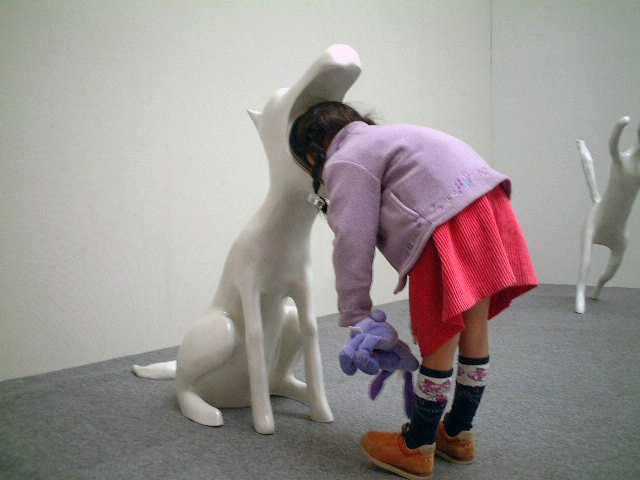
“第二屆福岡三年展”,福岡亞洲美術館,日本/ "The 2nd Fukuoka Triennale", Fukuoka Asian Art Museum, Japan / 2002
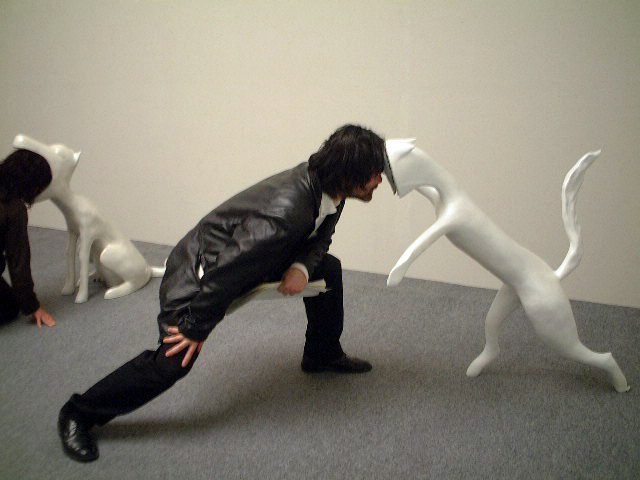
“第二屆福岡三年展”,福岡亞洲美術館,日本/ "The 2nd Fukuoka Triennale", Fukuoka Asian Art Museum, Japan / 2002
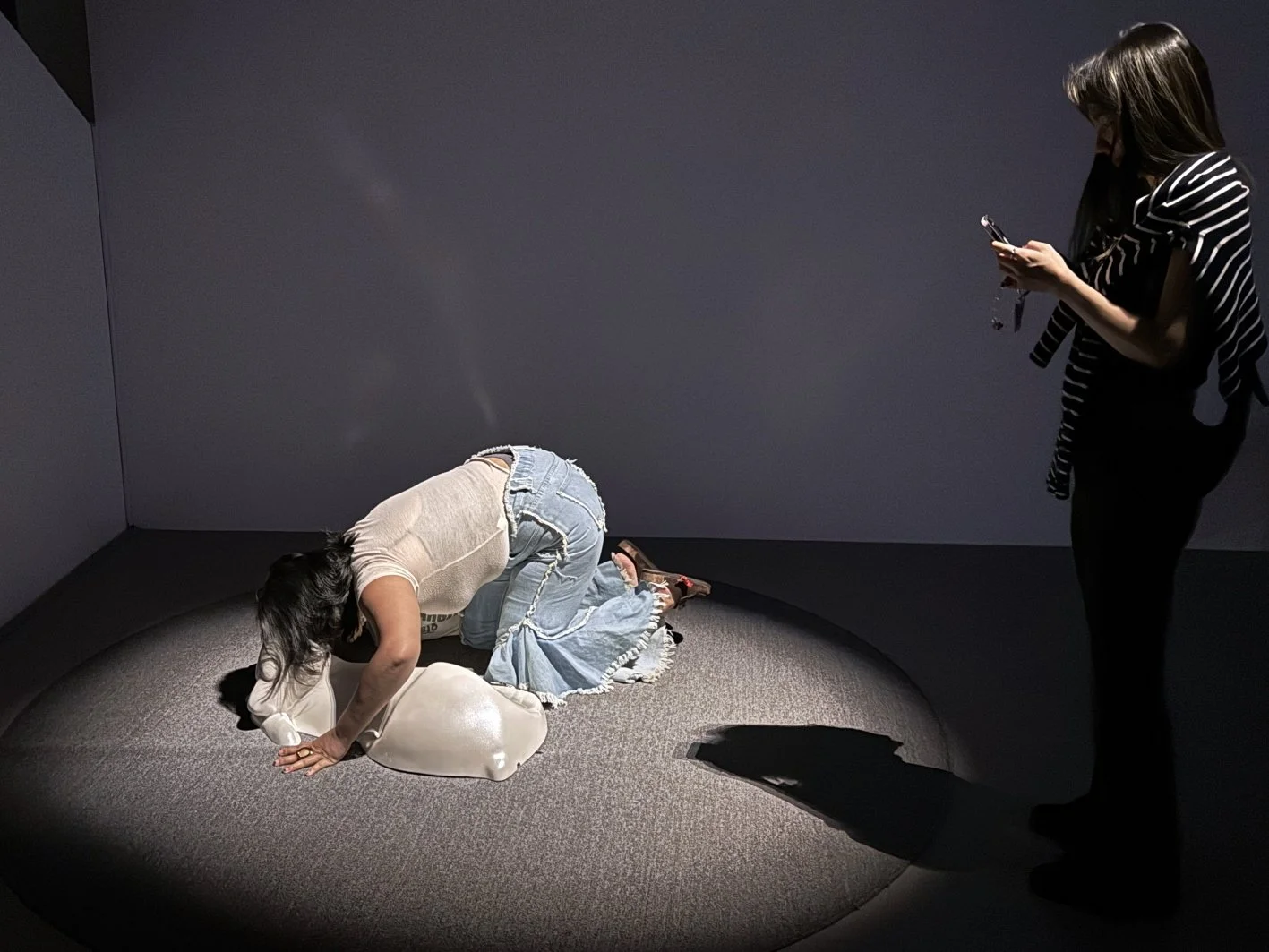
台北市立美術館 / Taipei Fine Arts Museum / 2026
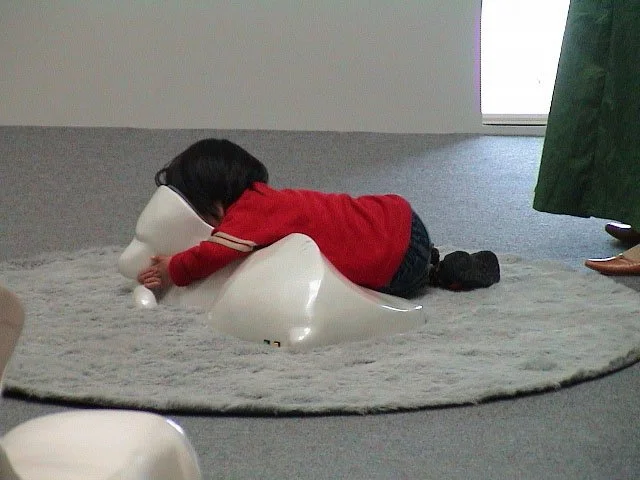
“第二屆福岡三年展”,福岡亞洲美術館,日本/ "The 2nd Fukuoka Triennale", Fukuoka Asian Art Museum, Japan / 2002
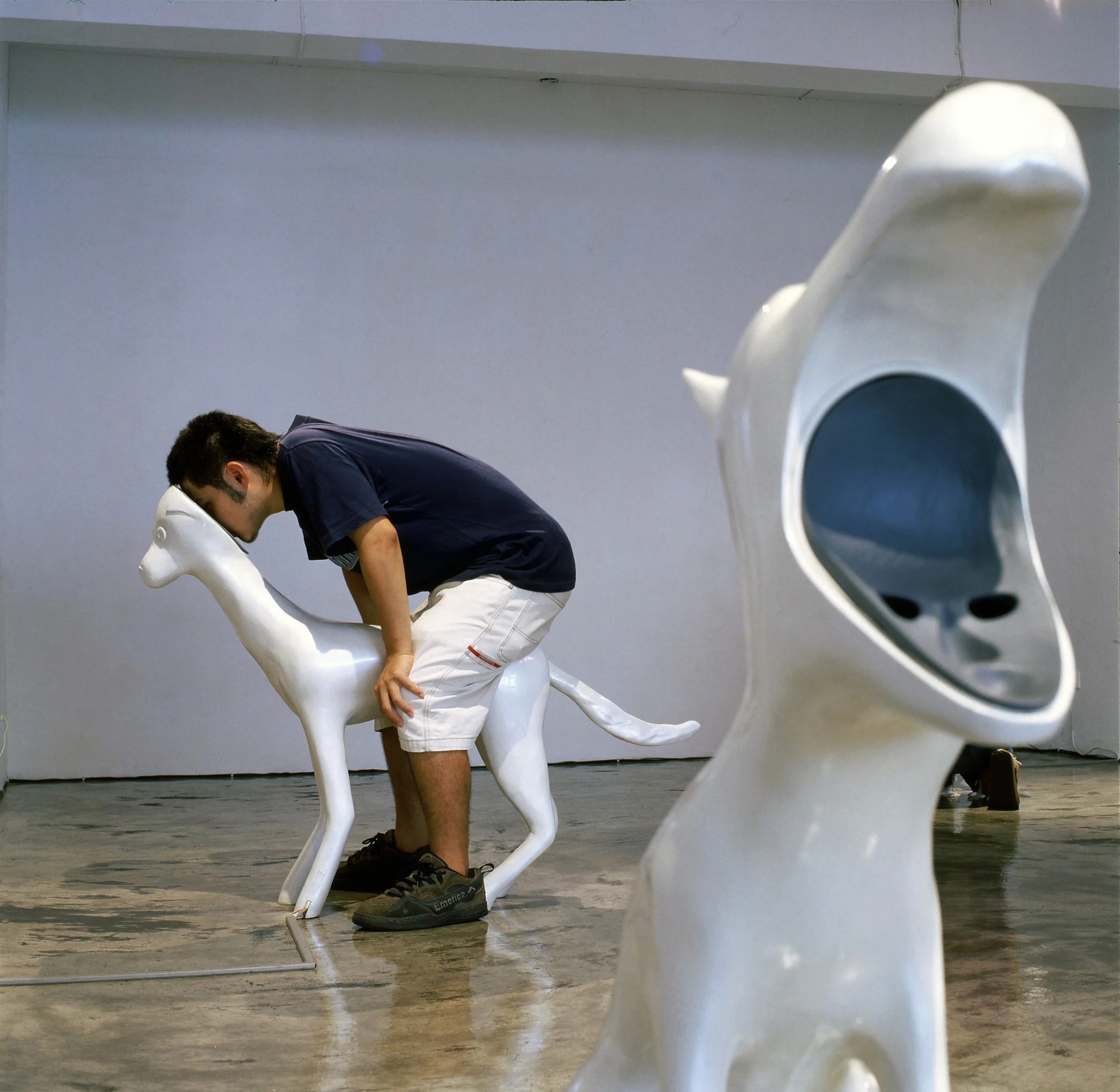
伊通公園畫廊,台北 / IT Park Gallery, Taipei / 2001
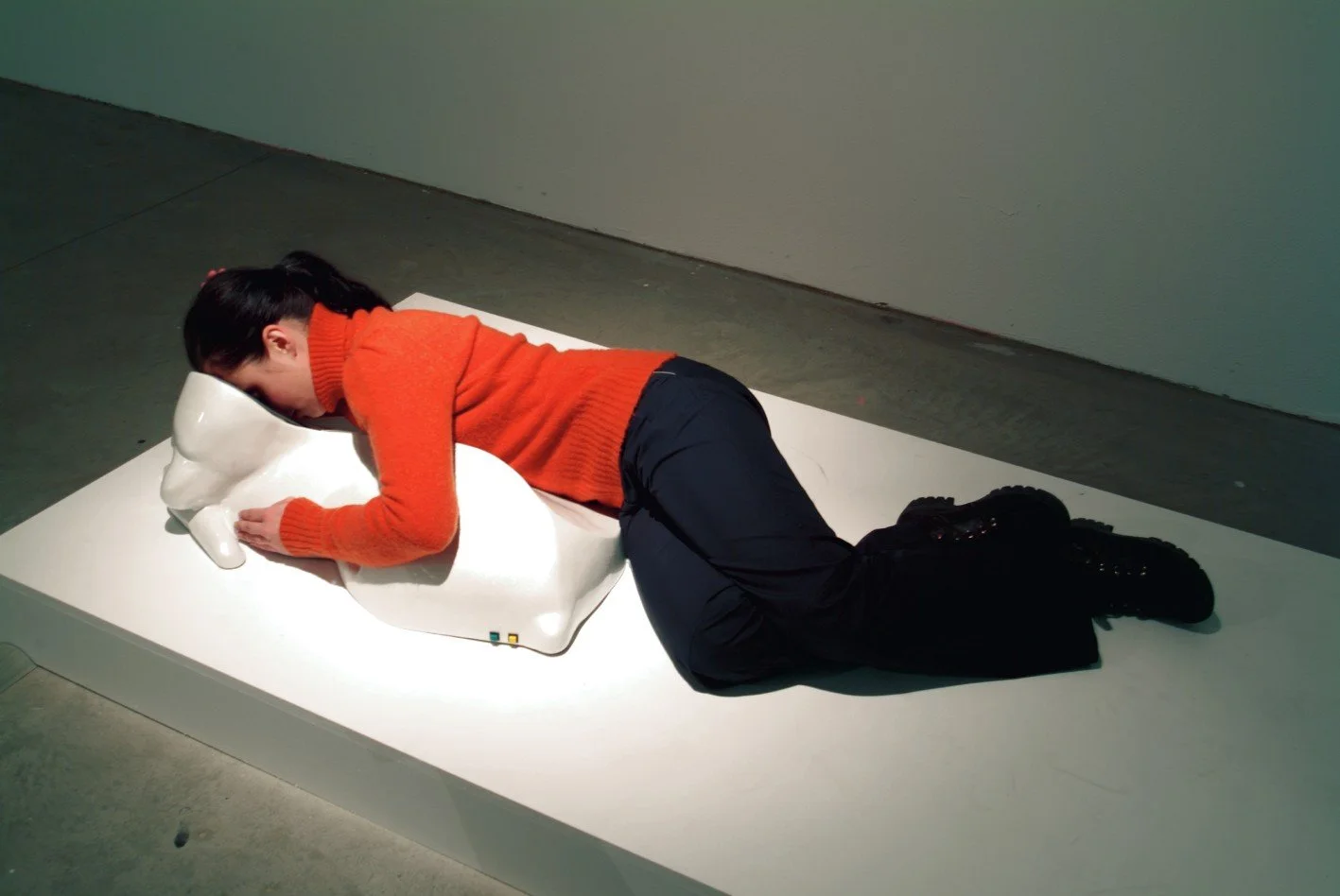
O.K當代藝術中心,奧地利 / O.K Center for Contemporary Art, Upper Austria / 2002
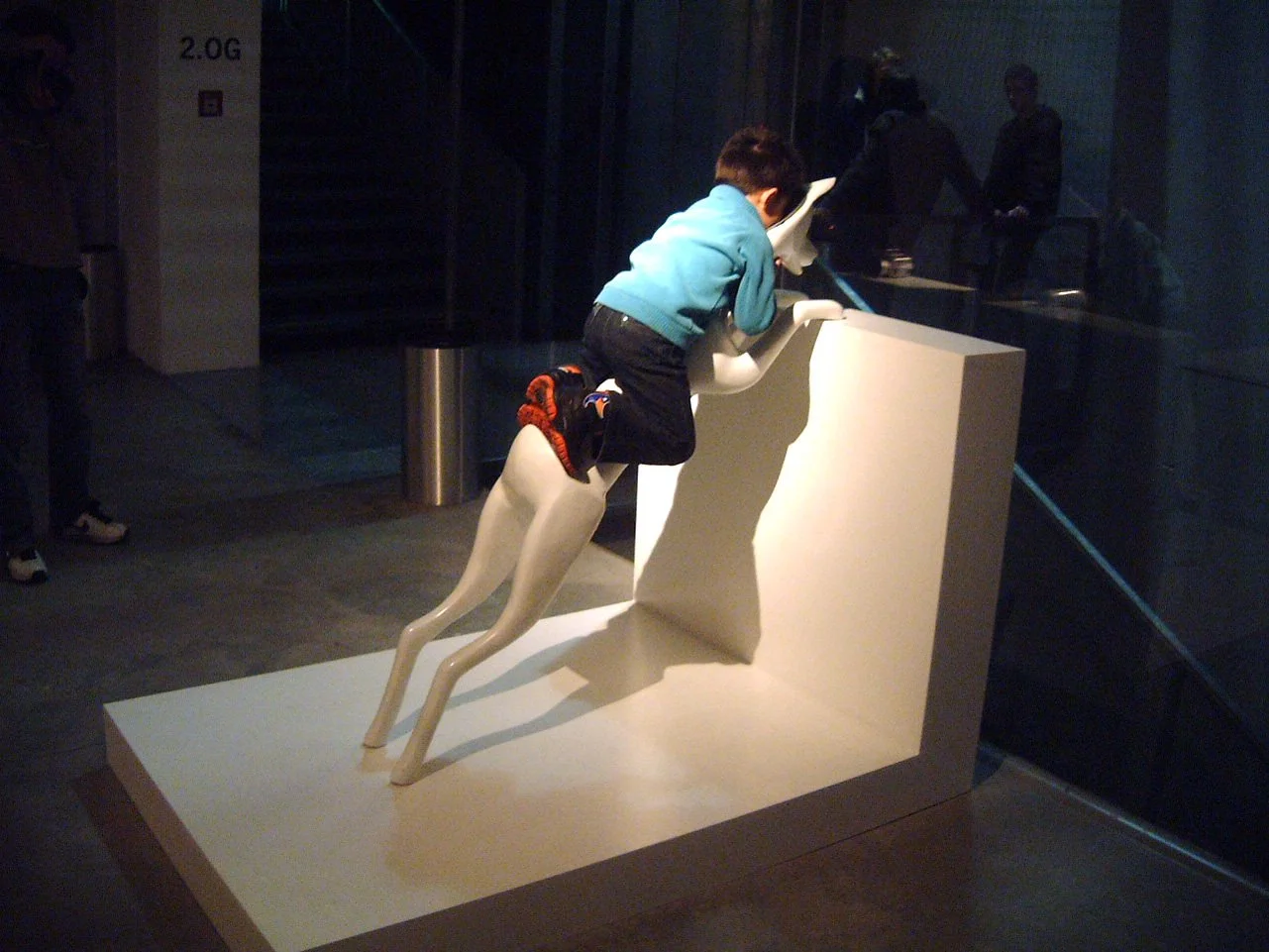
O.K當代藝術中心,奧地利 / O.K Center for Contemporary Art, Upper Austria / 2002
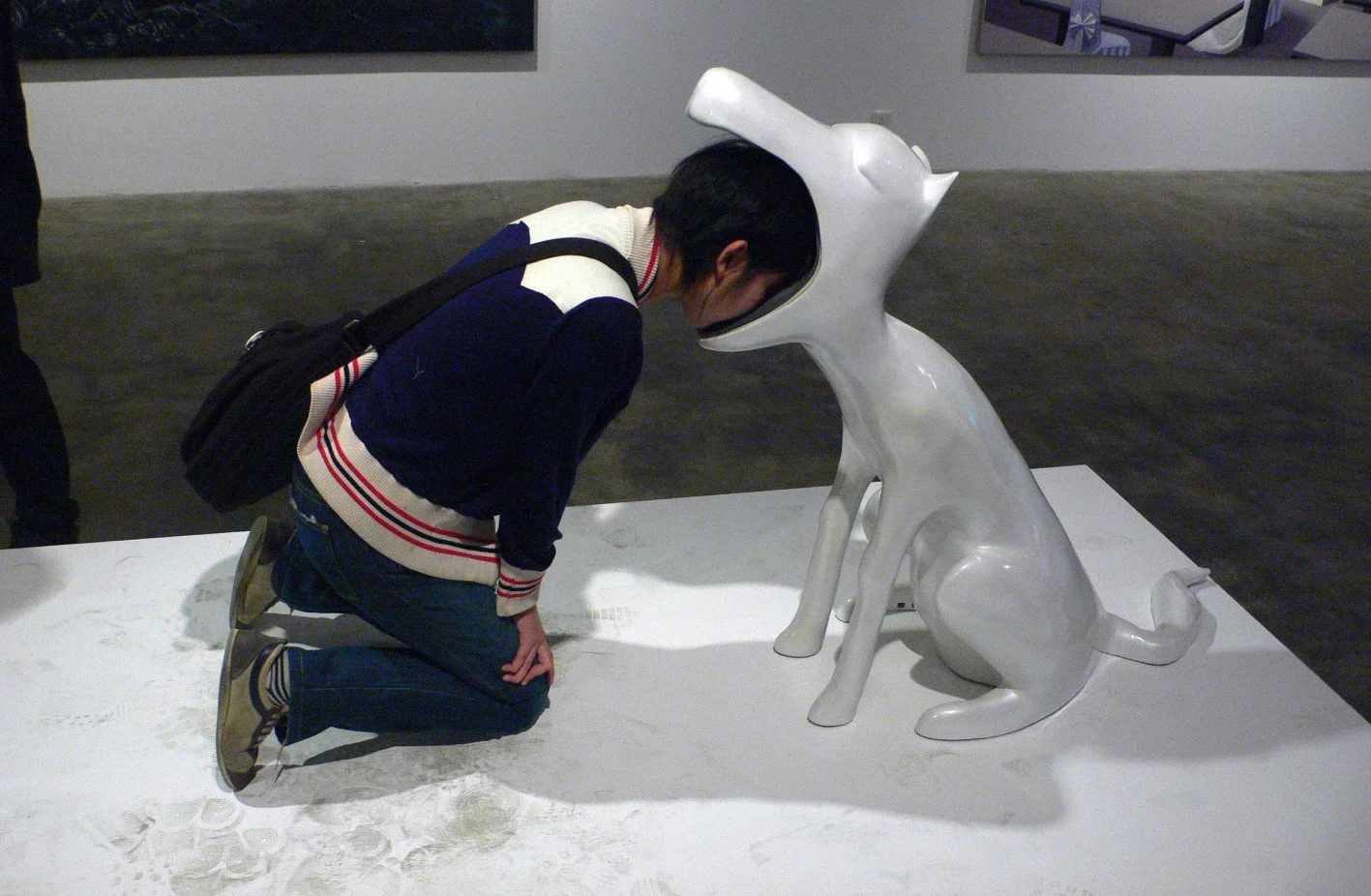
Osage Space-Kwun Tong, Hong Kong / 2006
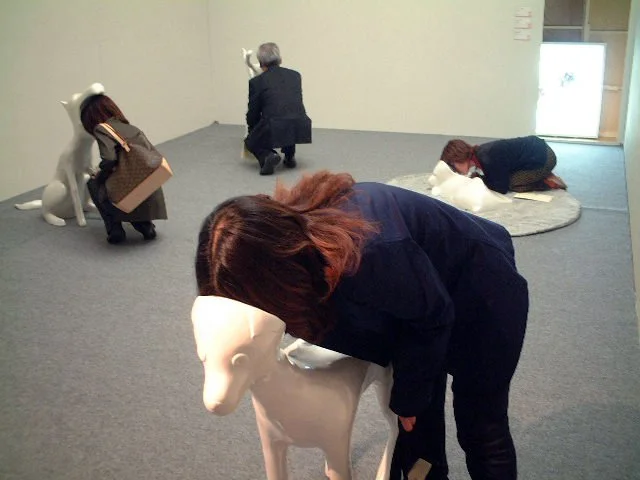
“第二屆福岡三年展”,福岡亞洲美術館,日本/ "The 2nd Fukuoka Triennale", Fukuoka Asian Art Museum, Japan / 2002
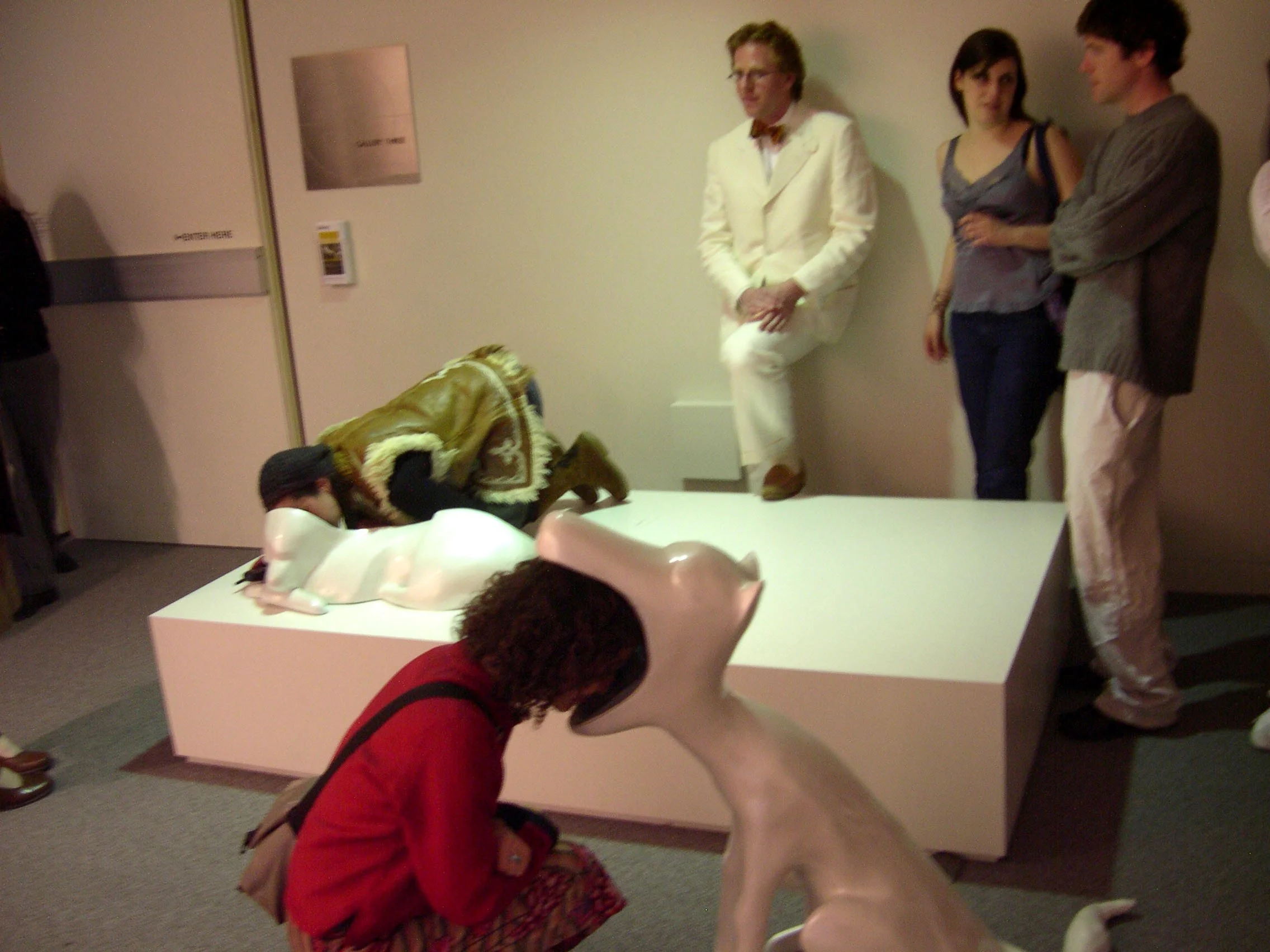
Yerba Buena Center for the Arts, San Francisco / 2003
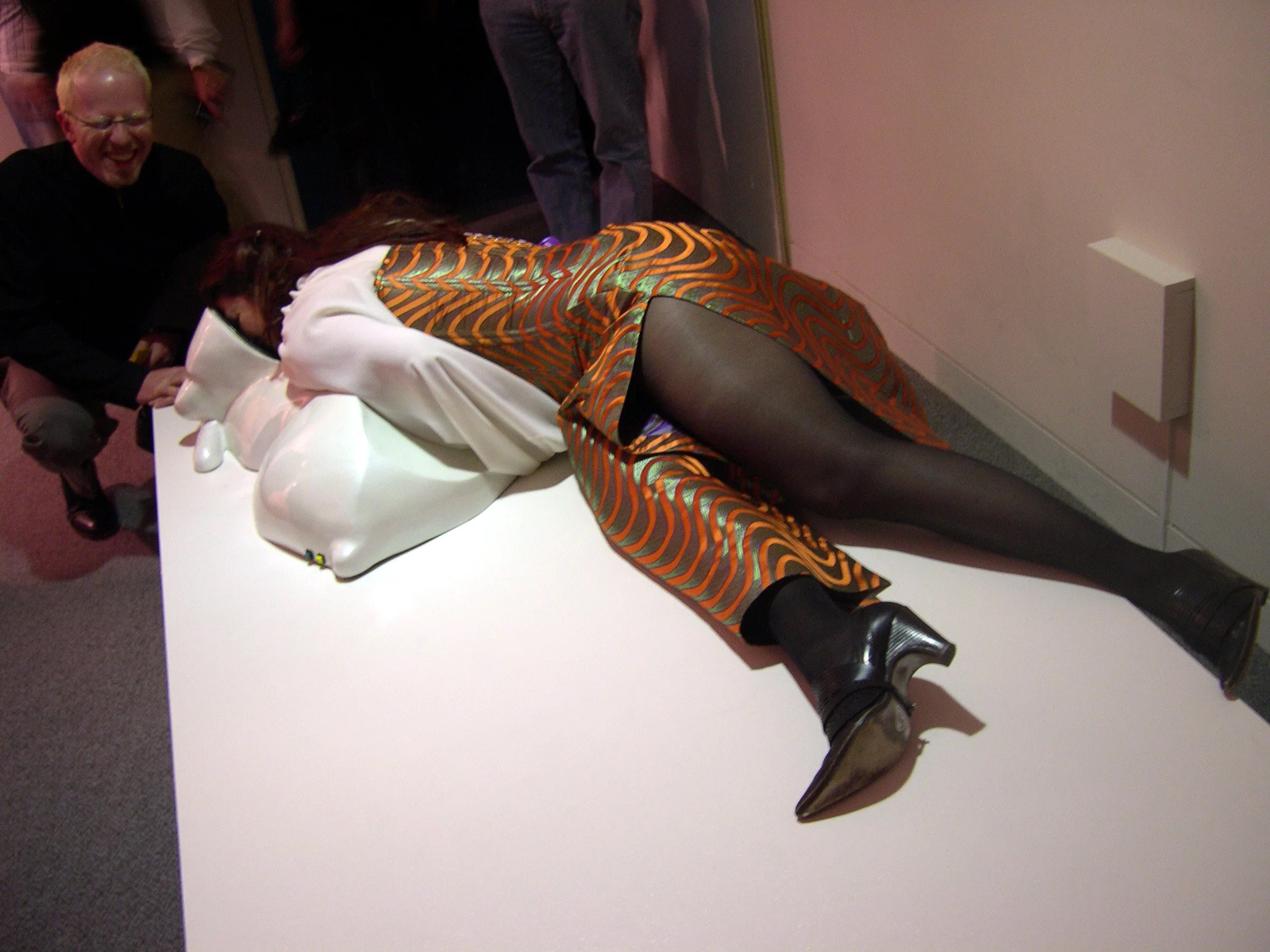
Yerba Buena Center for the Arts, San Francisco / 2003
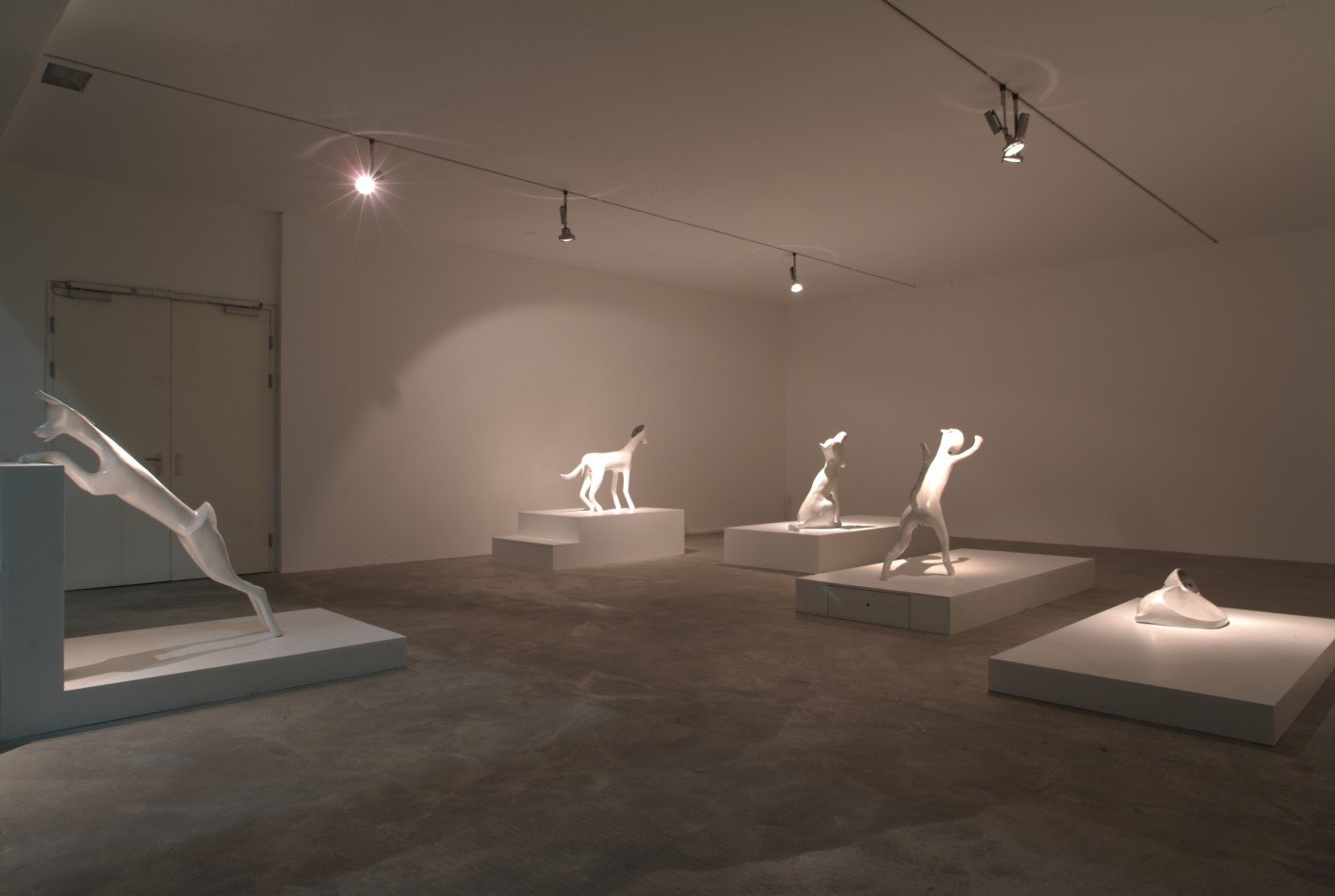
O.K當代藝術中心,奧地利 / O.K Center for Contemporary Art, Upper Austria / 2002
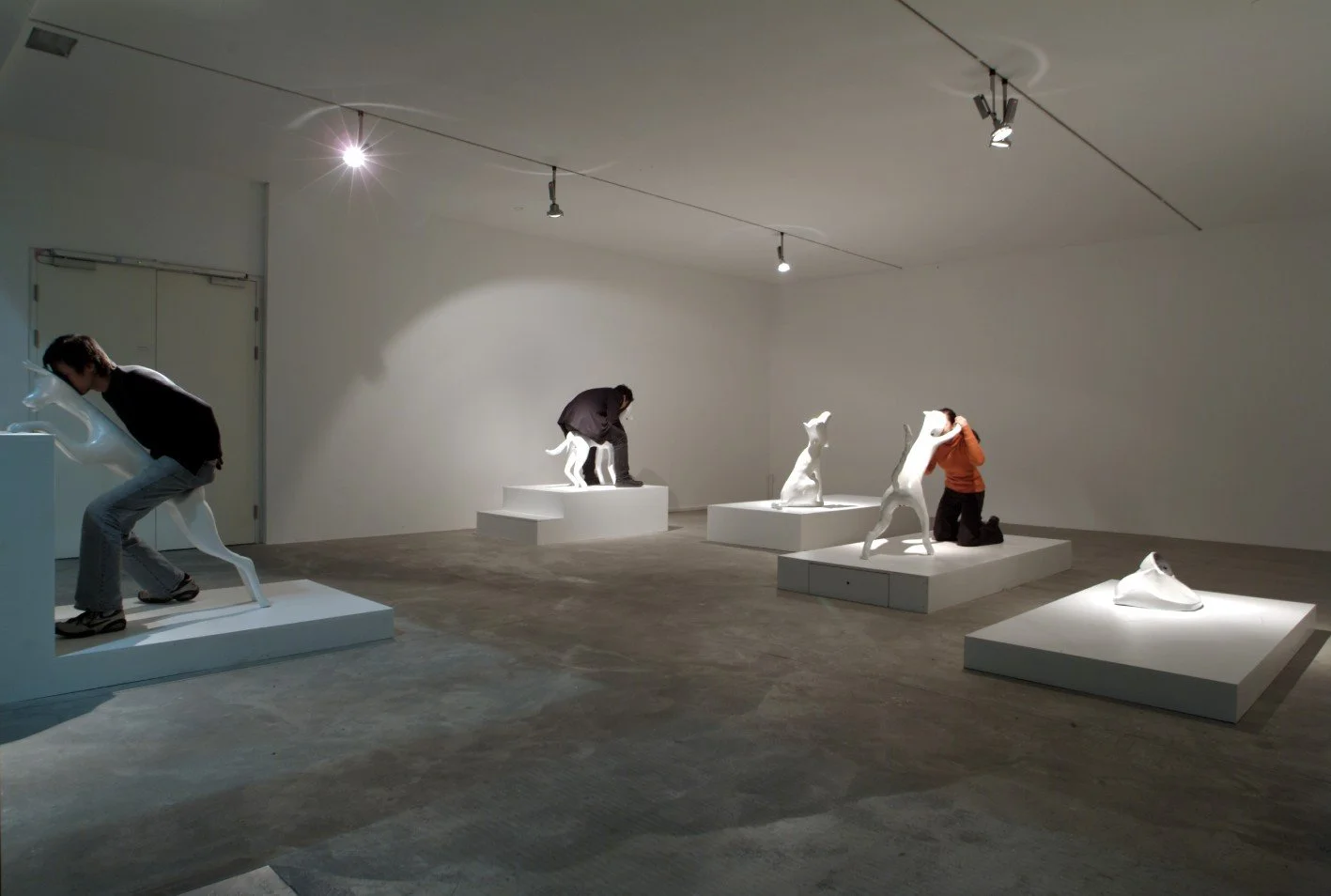
O.K當代藝術中心,奧地利 / O.K Center for Contemporary Art, Upper Austria / 2002
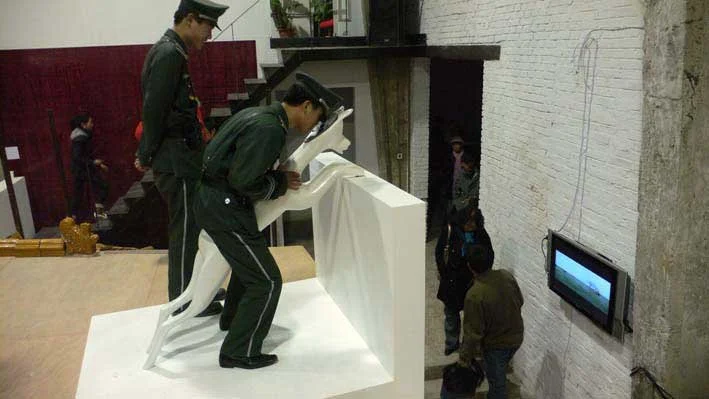
北京當代唐人藝術中心, 北京 / Tang Contemporary Art, Beijing / 2006
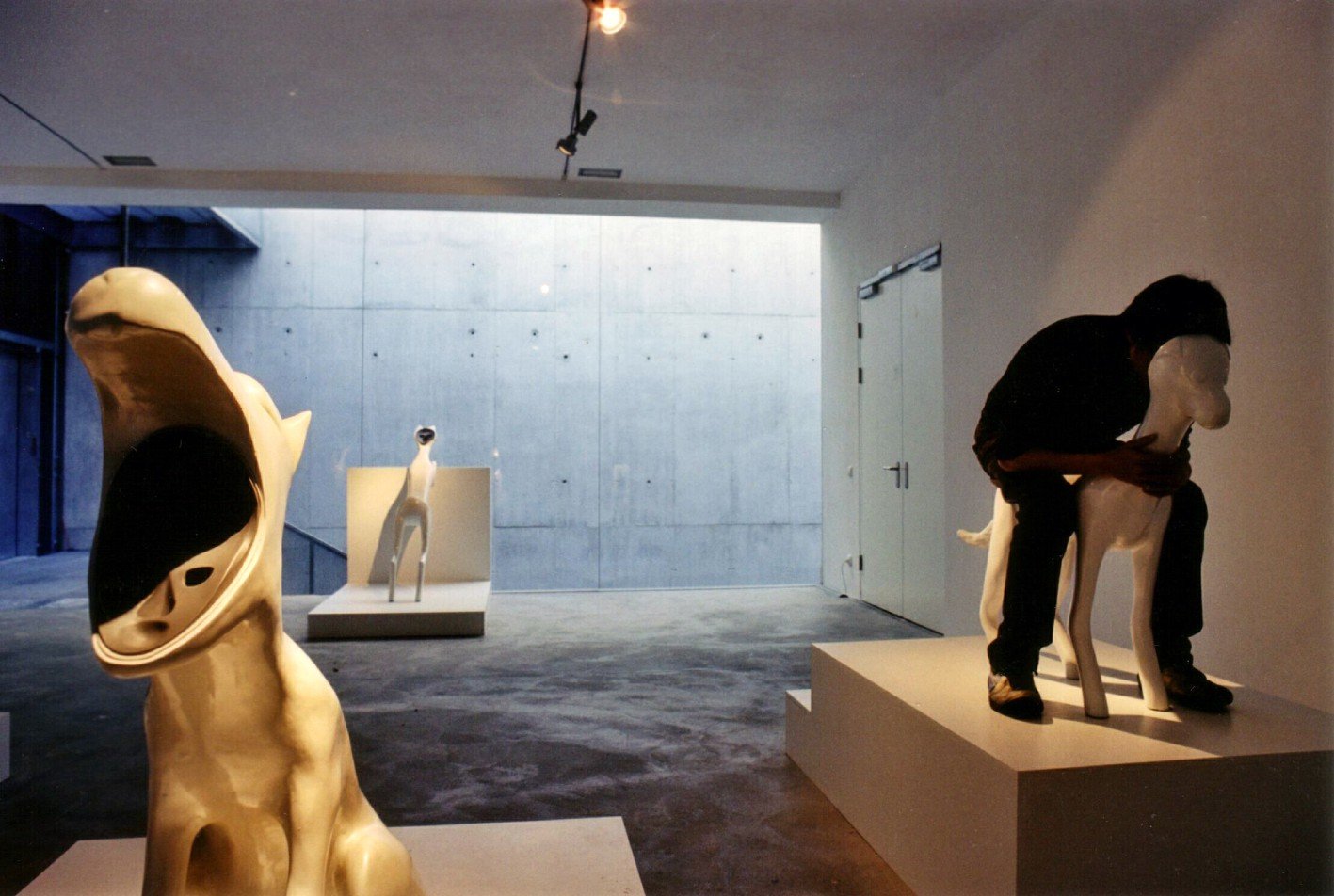
O.K當代藝術中心,奧地利 / O.K Center for Contemporary Art, Upper Austria / 2002
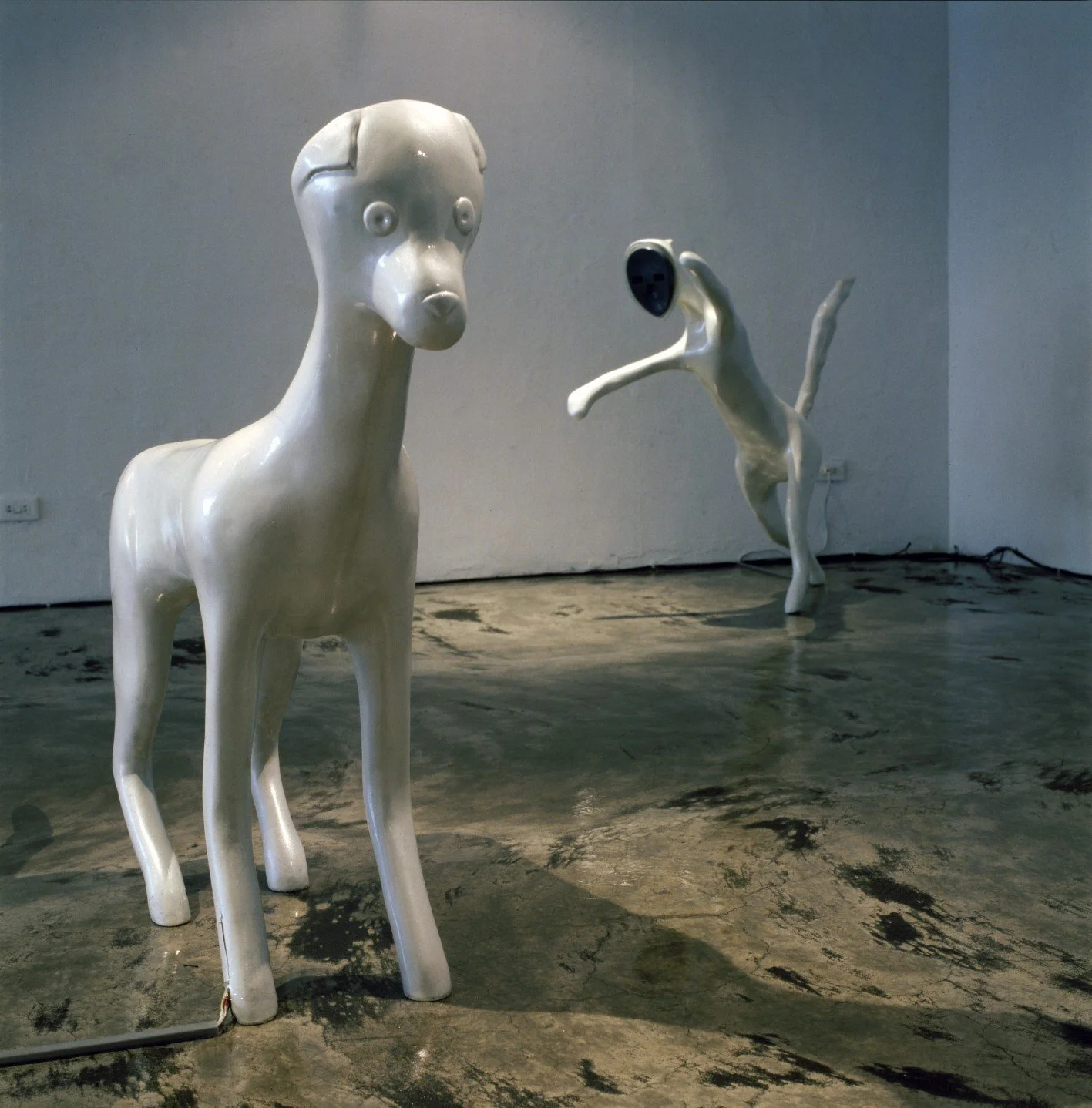
伊通公園畫廊,台北 / IT Park Gallery, Taipei / 2001
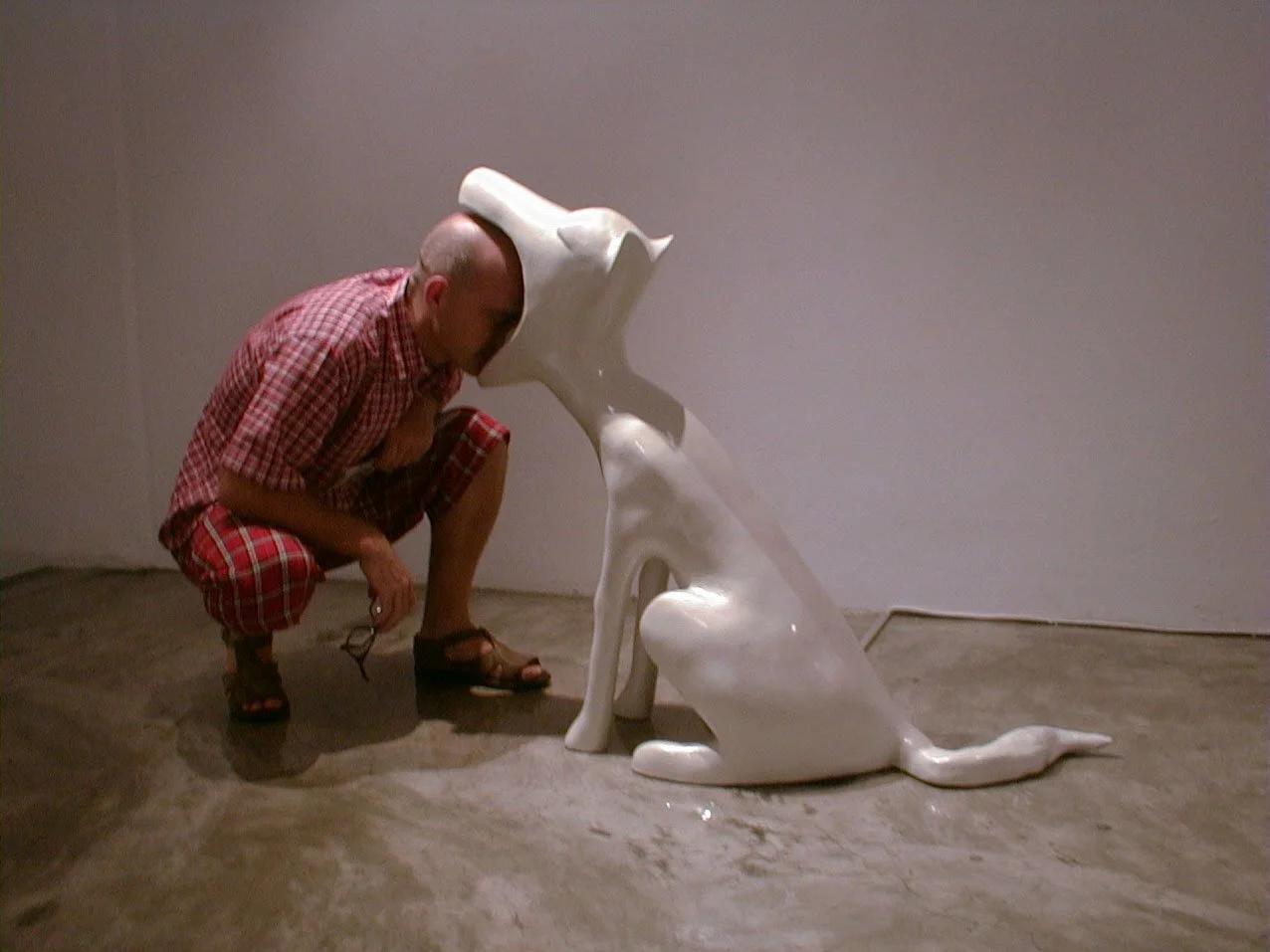
伊通公園畫廊,台北 / IT Park Gallery, Taipei / 2001
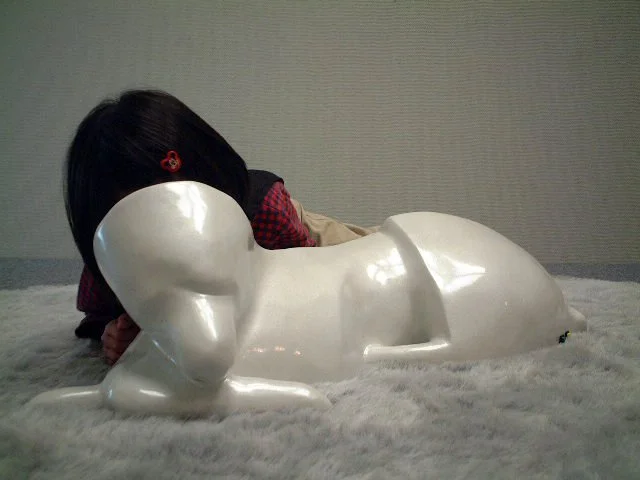
“第二屆福岡三年展”,福岡亞洲美術館,日本/ "The 2nd Fukuoka Triennale", Fukuoka Asian Art Museum, Japan / 2002
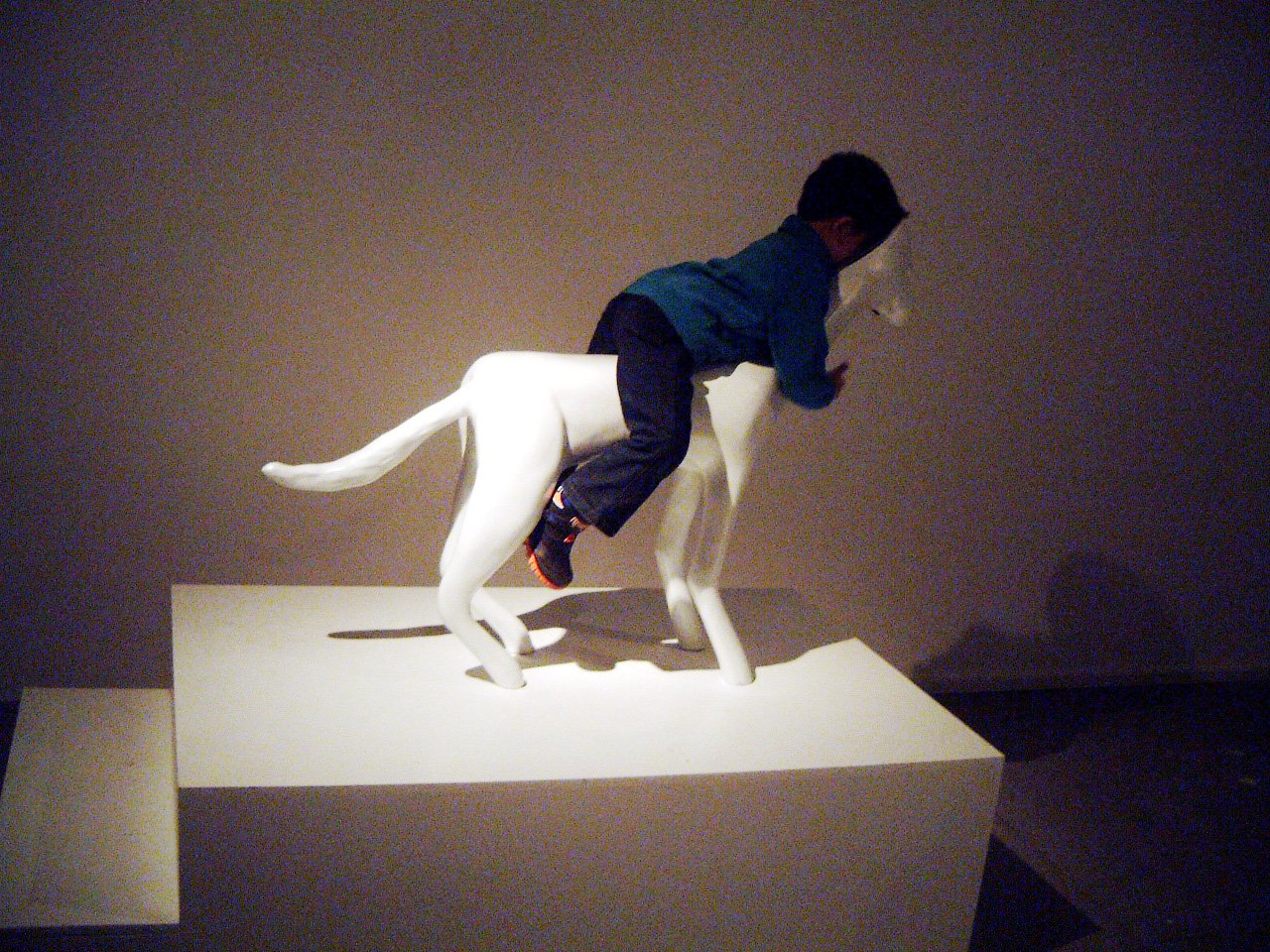
O.K當代藝術中心,奧地利 / O.K Center for Contemporary Art, Upper Austria / 2002
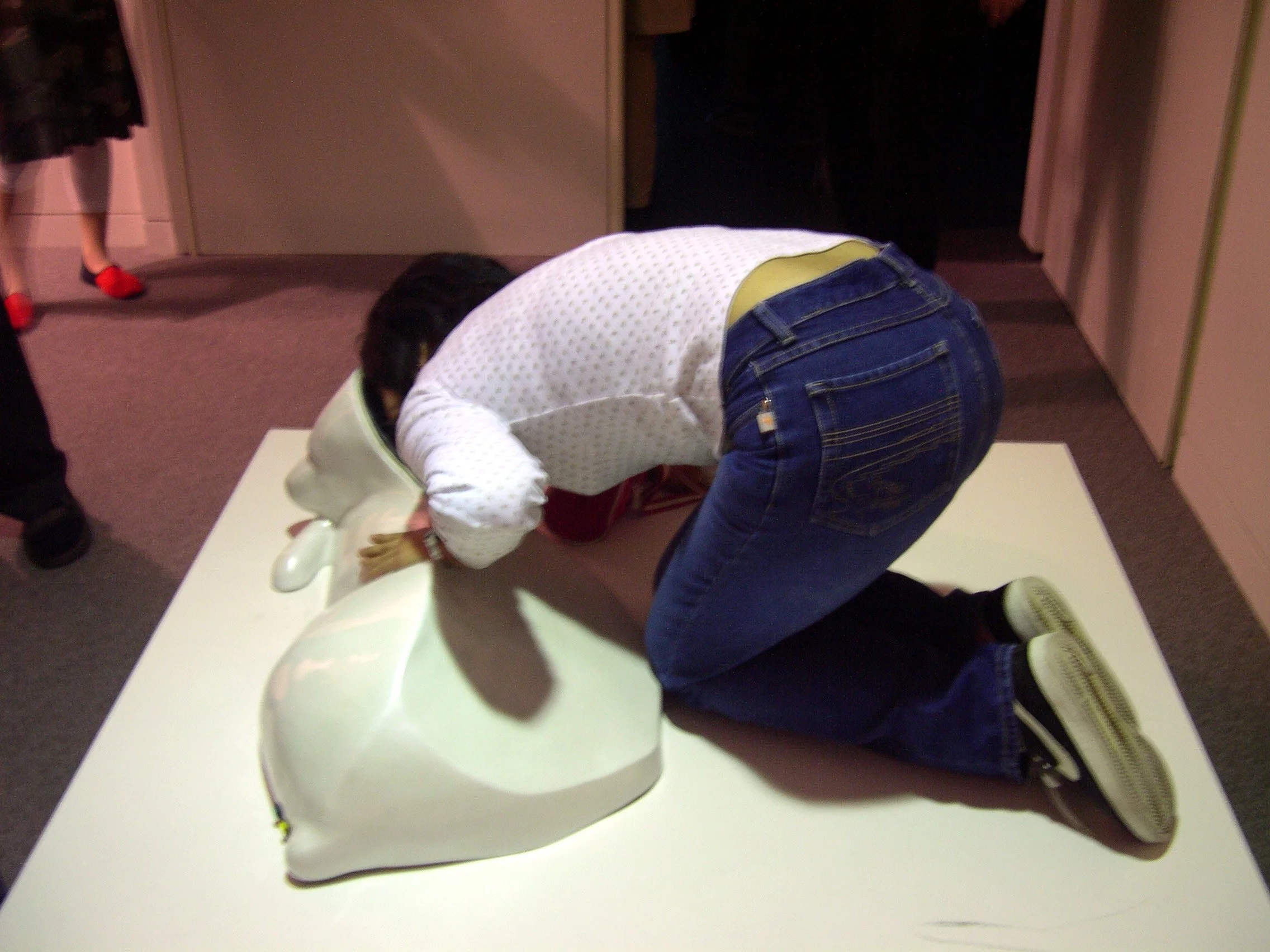
Yerba Buena Center for the Arts, San Francisco / 2003
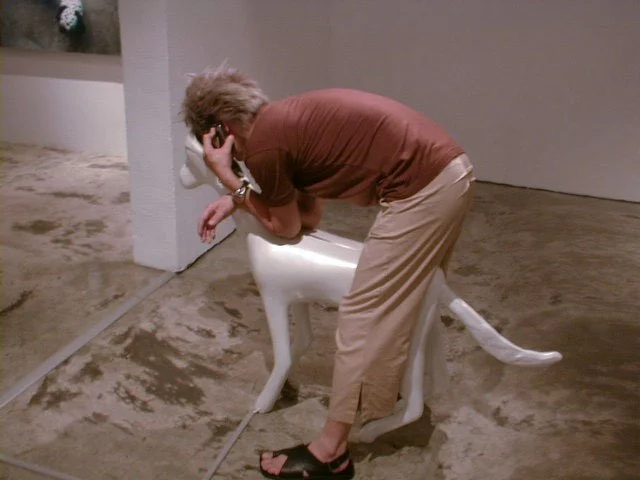
伊通公園畫廊,台北 / IT Park Gallery, Taipei / 2001
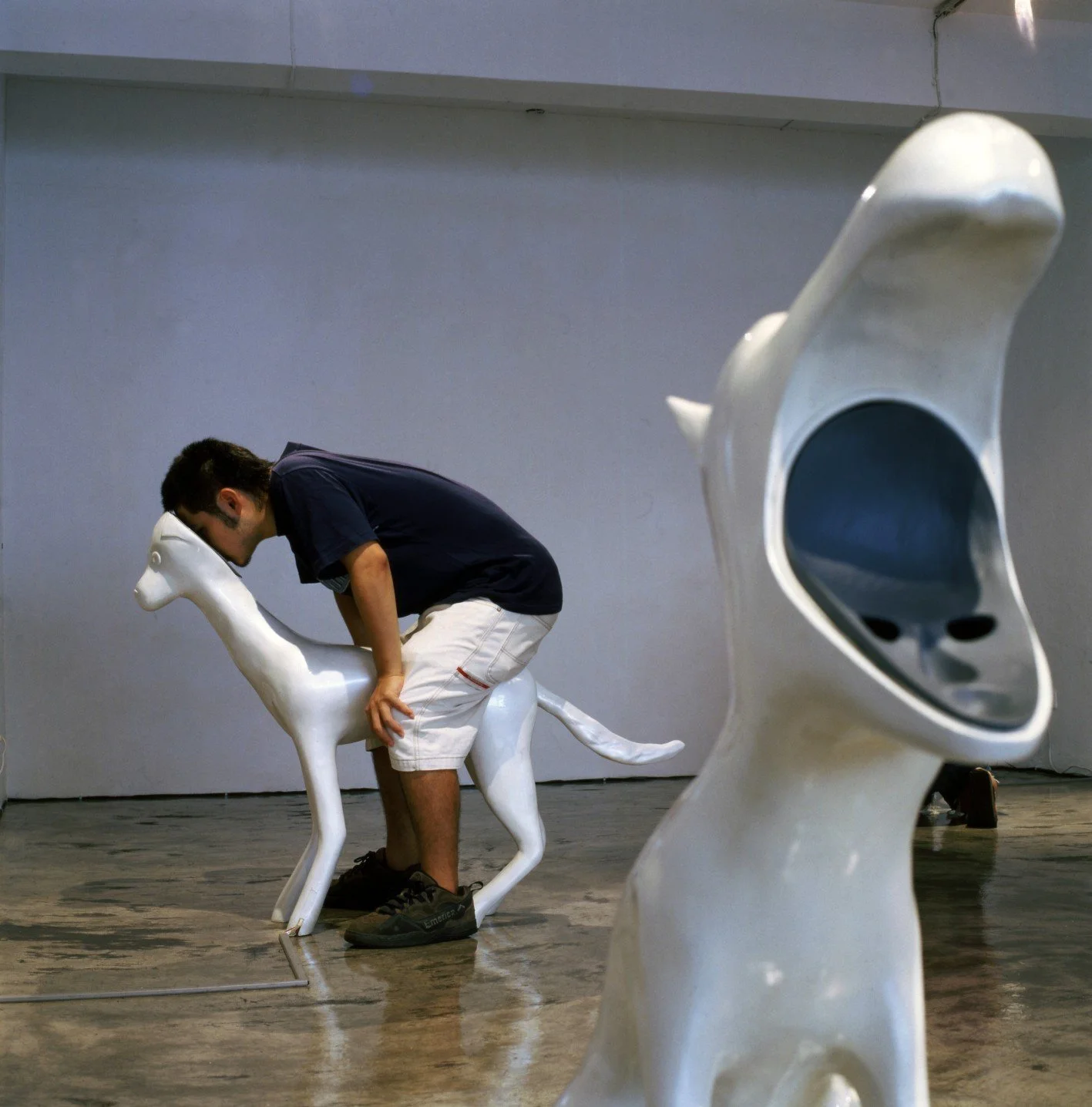
伊通公園畫廊,台北 / IT Park Gallery, Taipei / 2001
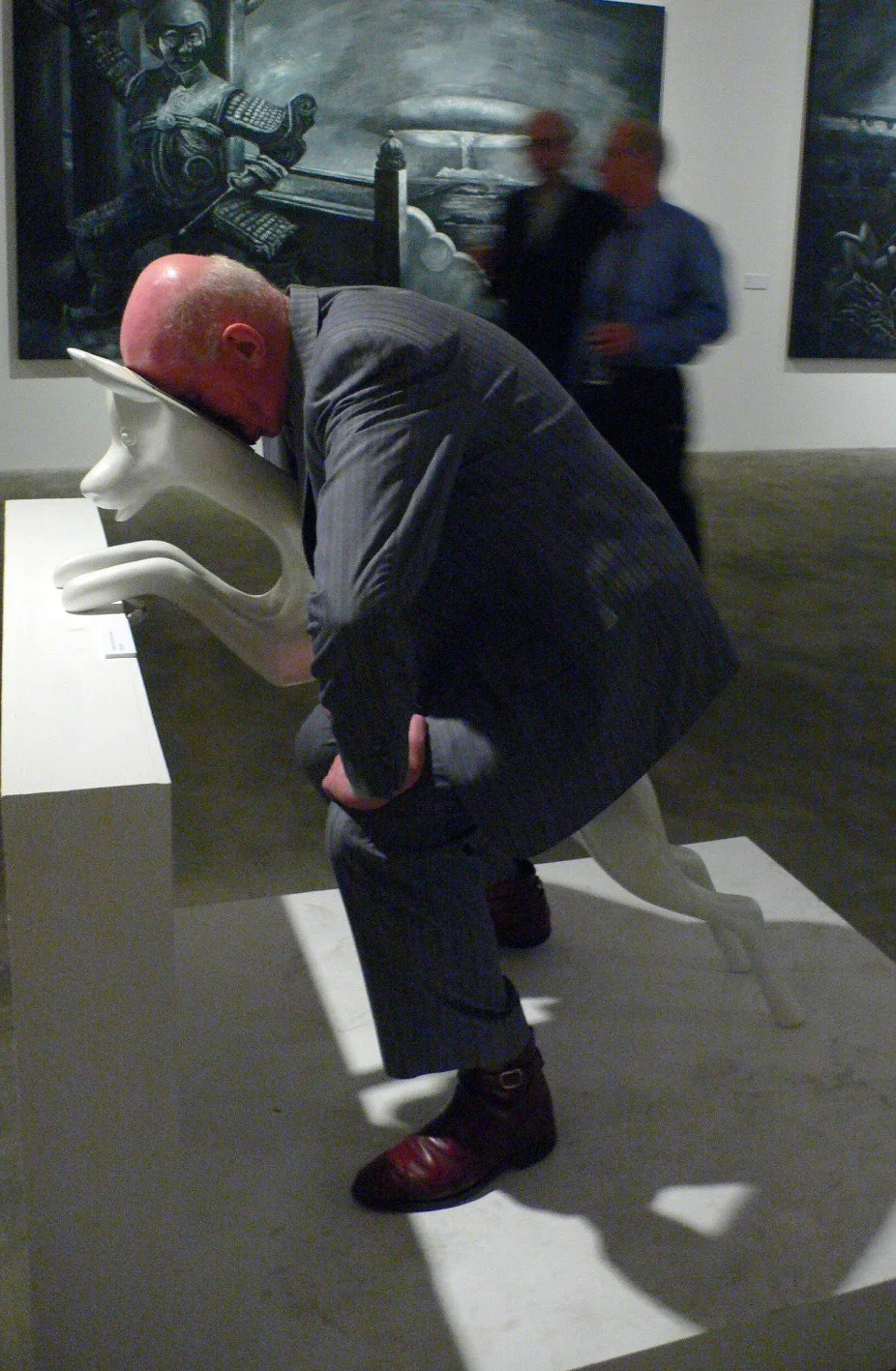
Osage Space-Kwun Tong, Hong Kong / 2006
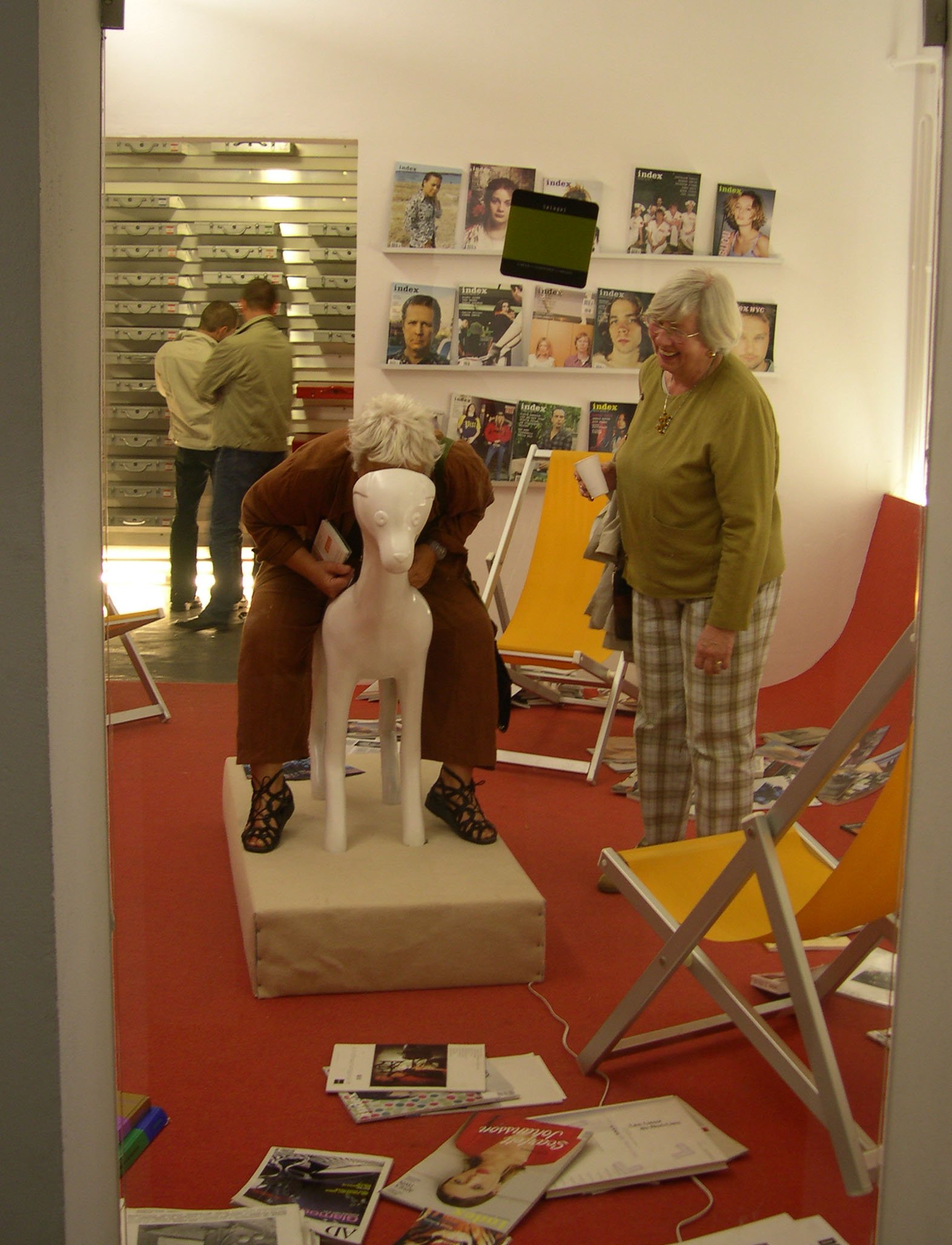
Lothringer13, Munich / 2003
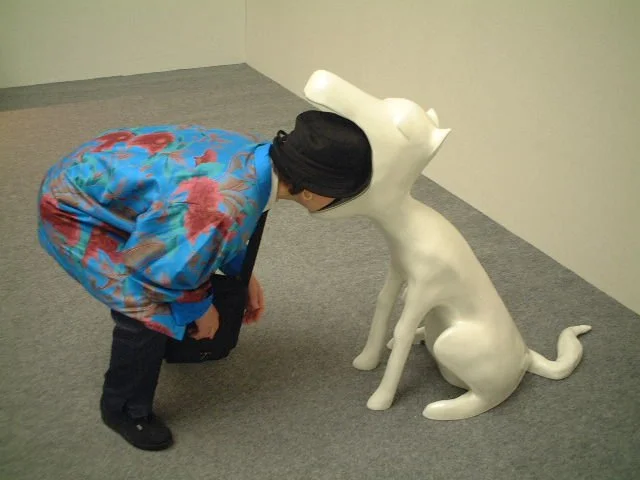
“第二屆福岡三年展”,福岡亞洲美術館,日本/ "The 2nd Fukuoka Triennale", Fukuoka Asian Art Museum, Japan / 2002
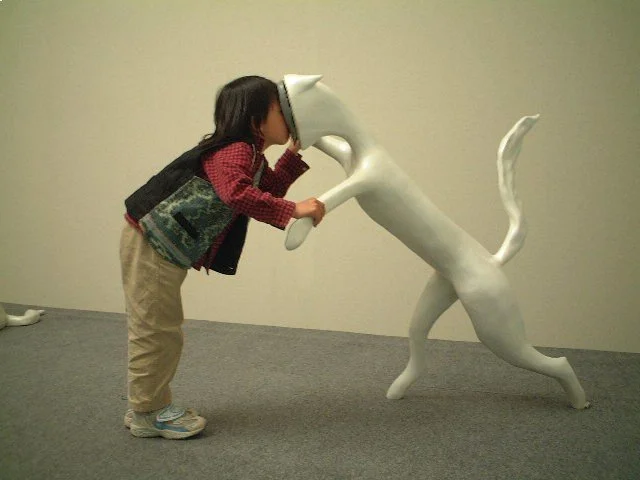
“第二屆福岡三年展”,福岡亞洲美術館,日本/ "The 2nd Fukuoka Triennale", Fukuoka Asian Art Museum, Japan / 2002
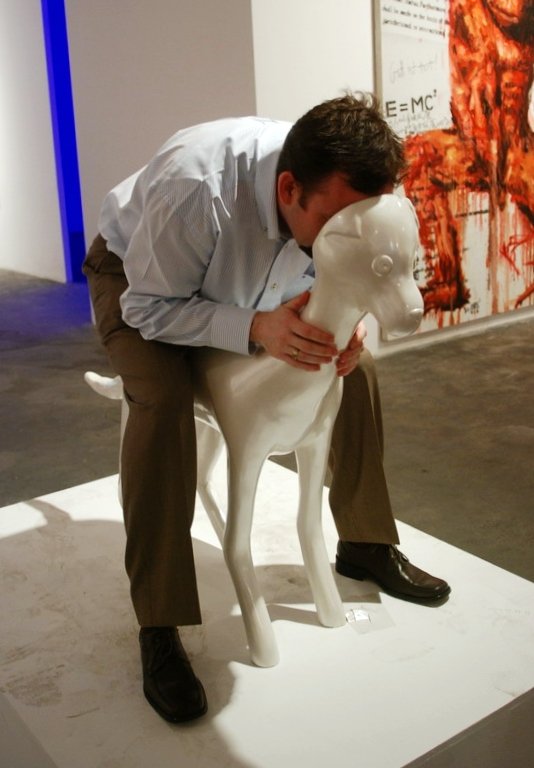
Osage Space-Kwun Tong, Hong Kong / 2006
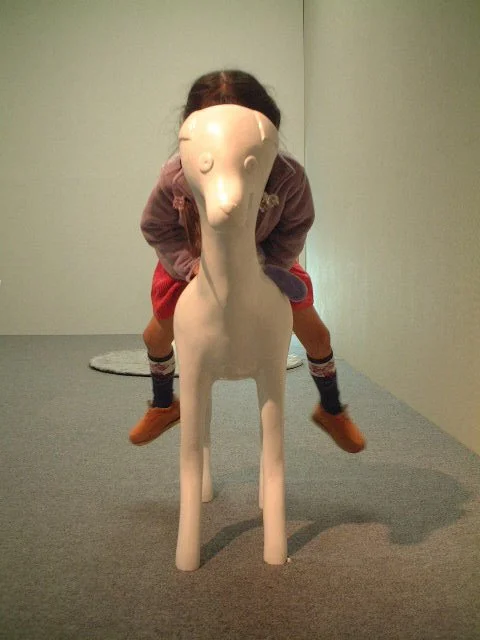
“第二屆福岡三年展”,福岡亞洲美術館,日本/ "The 2nd Fukuoka Triennale", Fukuoka Asian Art Museum, Japan / 2002
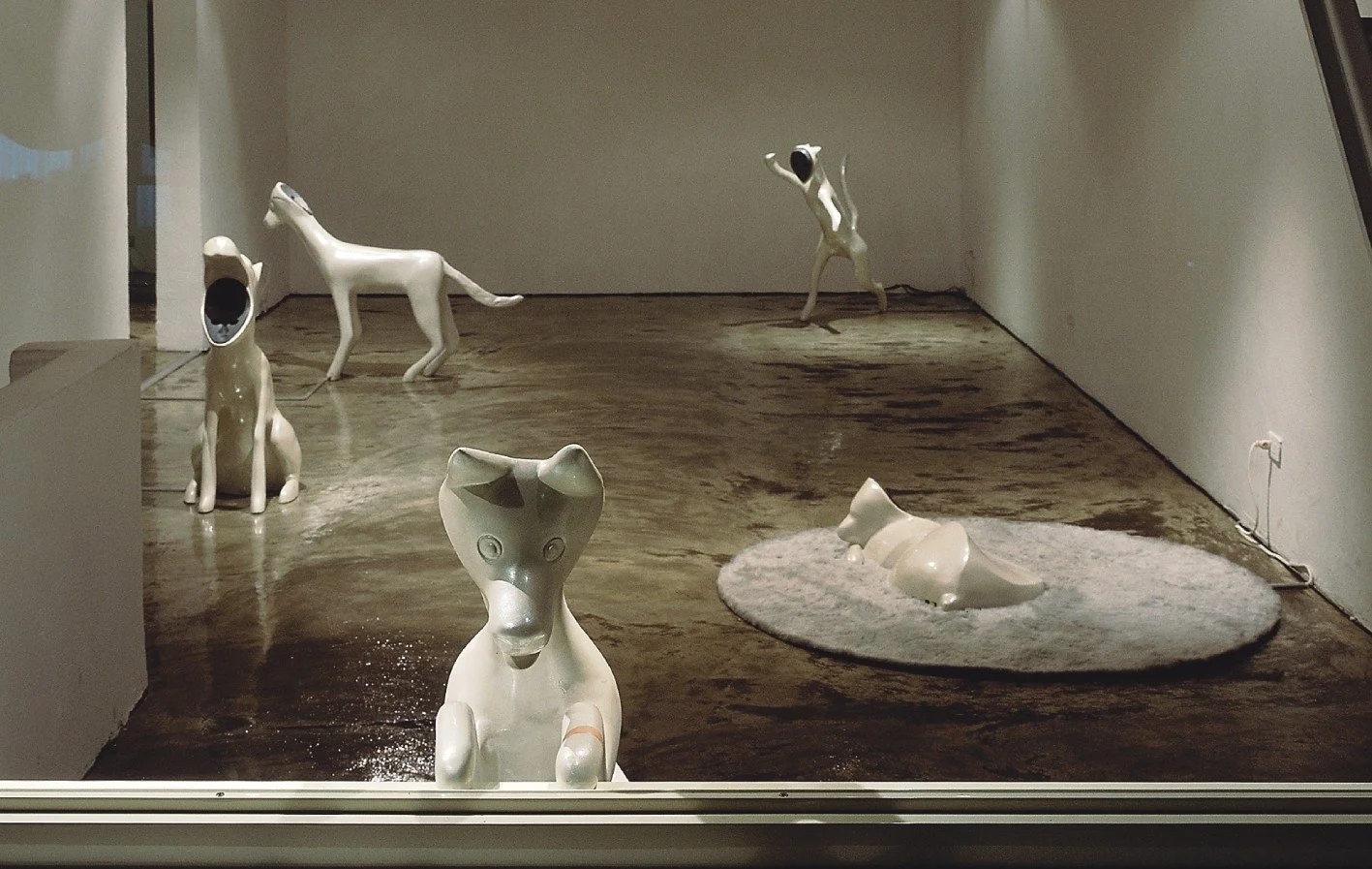
伊通公園畫廊,台北 / IT Park Gallery, Taipei / 2001
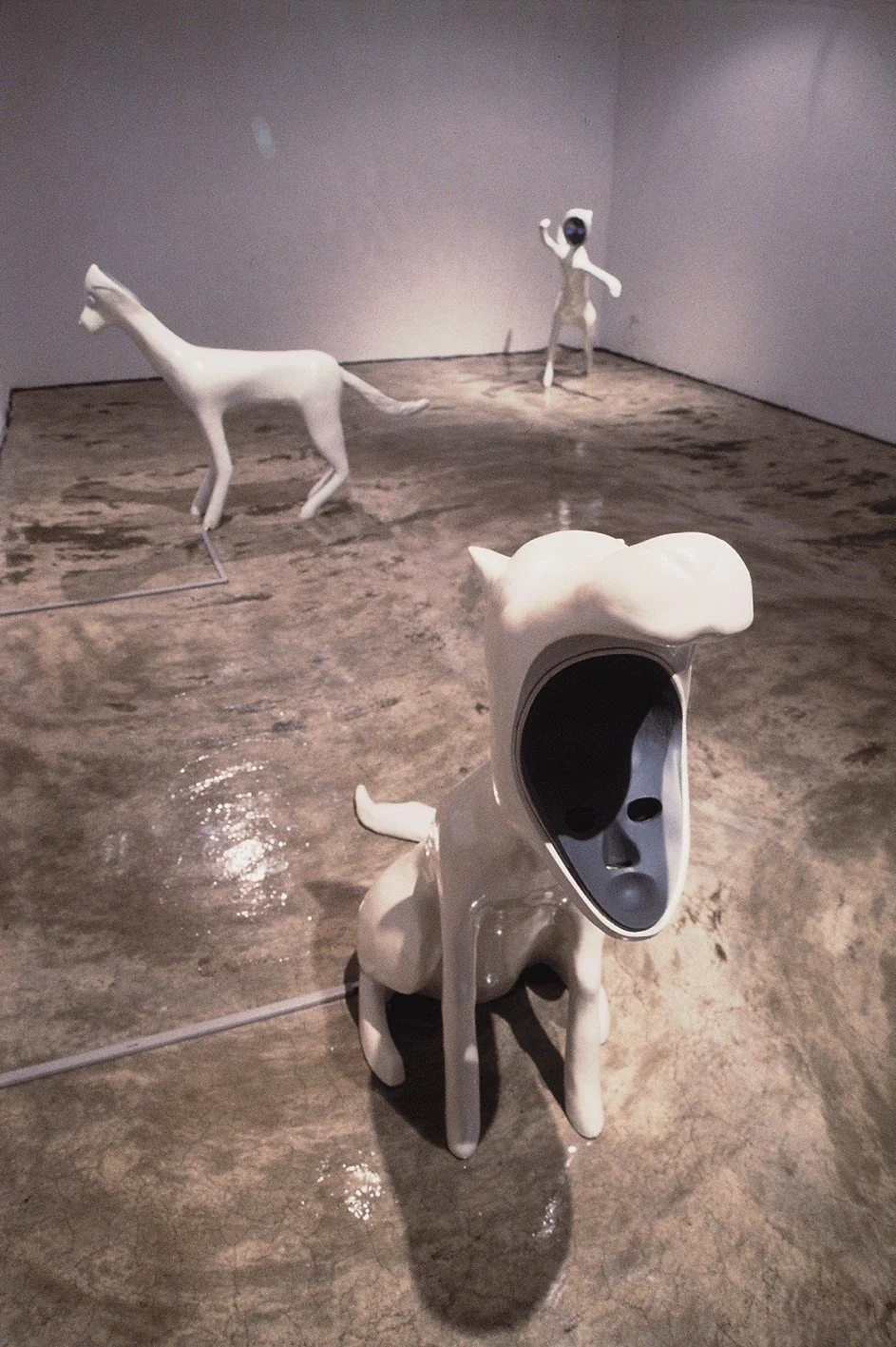
伊通公園畫廊,台北 / IT Park Gallery, Taipei / 2001
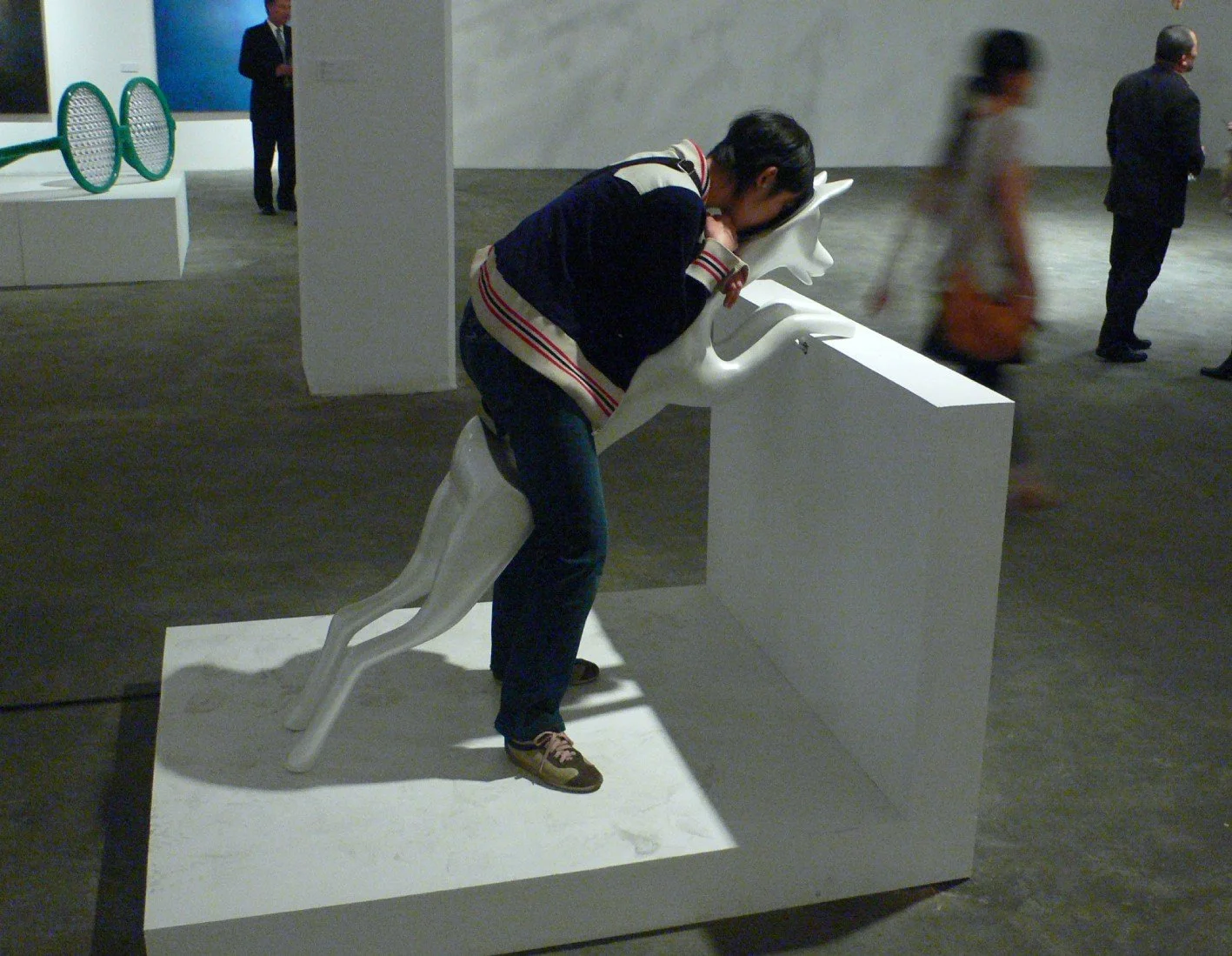
Osage Space-Kwun Tong, Hong Kong / 2006
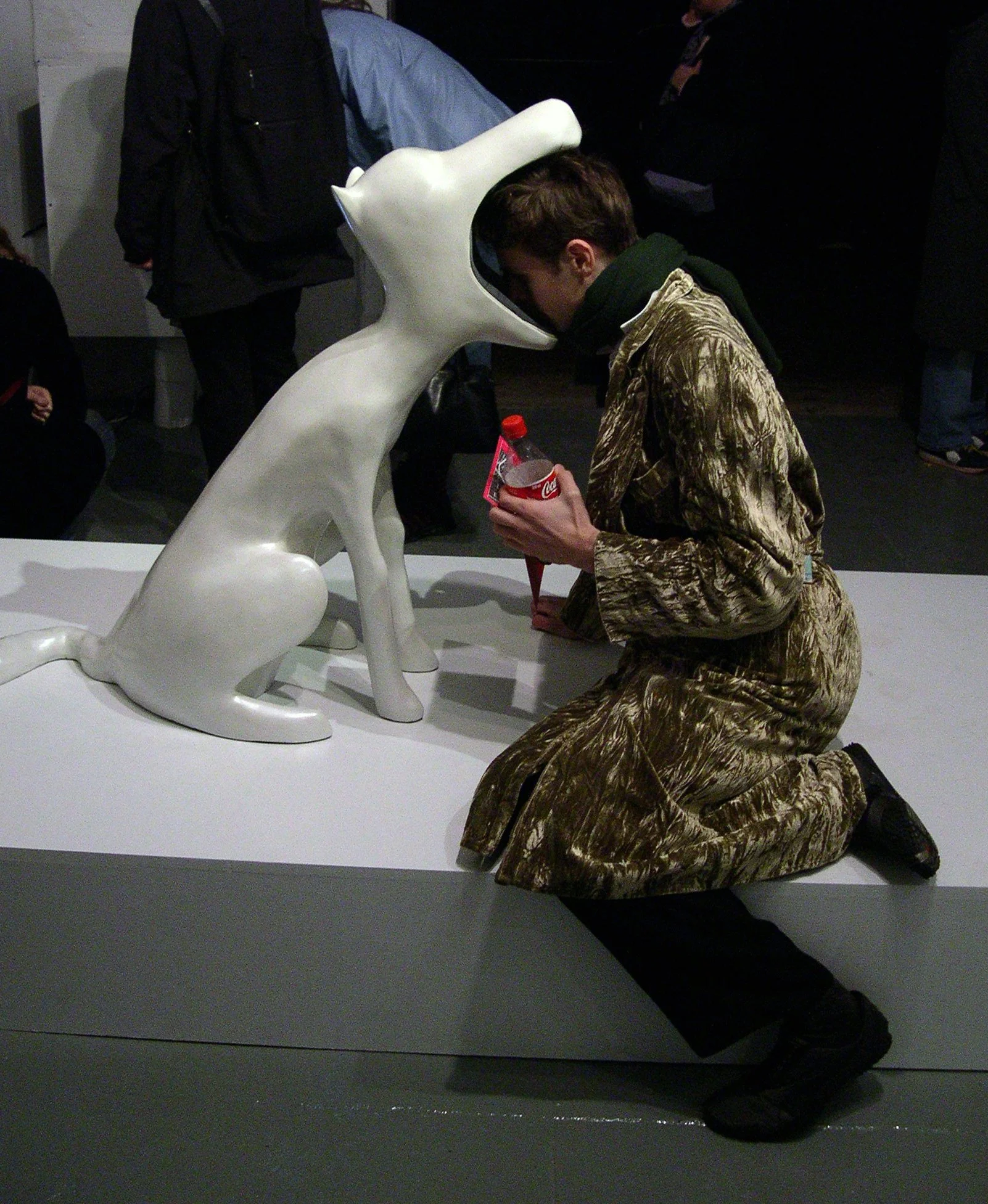
Goliath Visual Space, Brooklyn / 2003
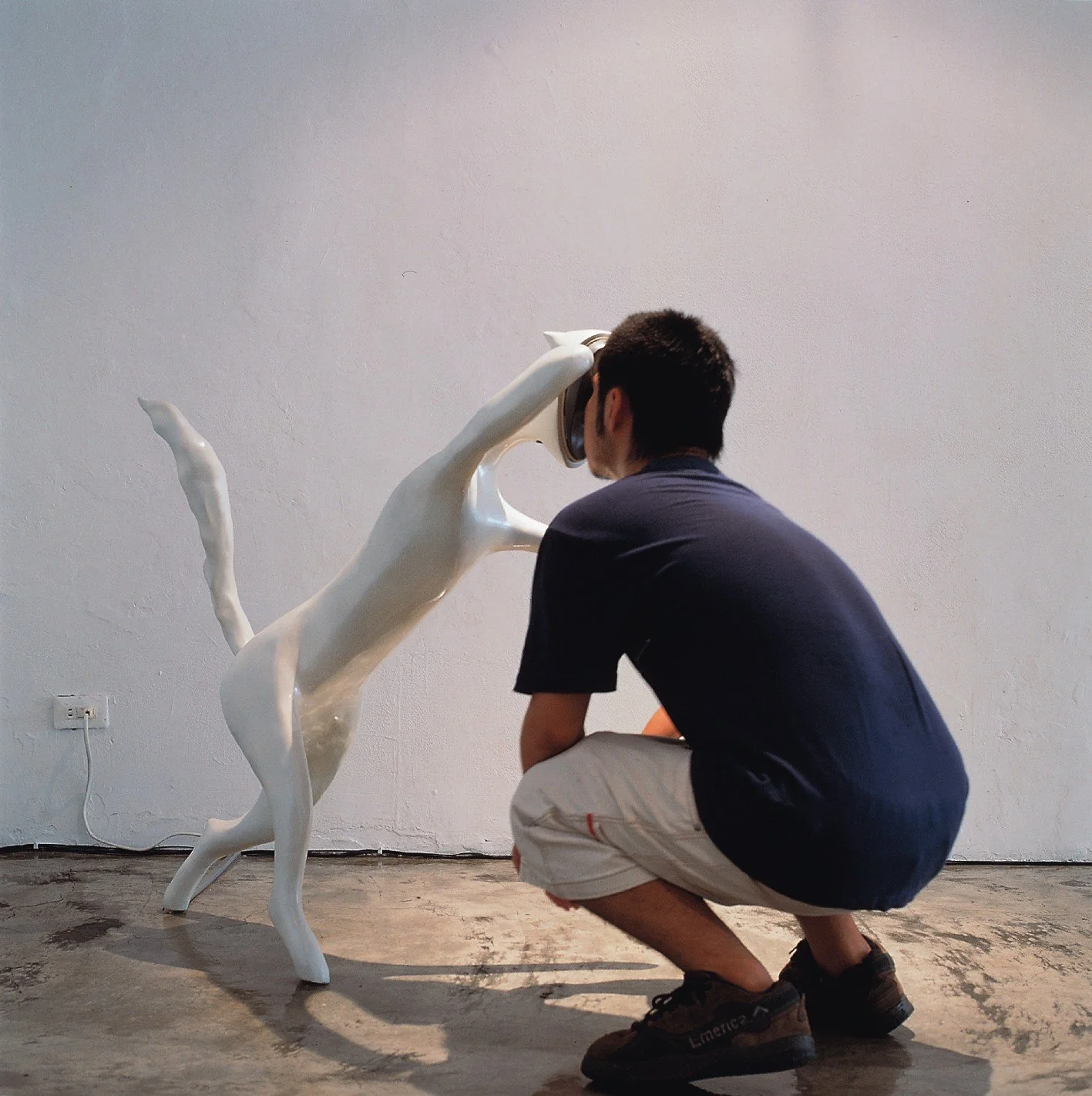
伊通公園畫廊,台北 / IT Park Gallery, Taipei / 2001
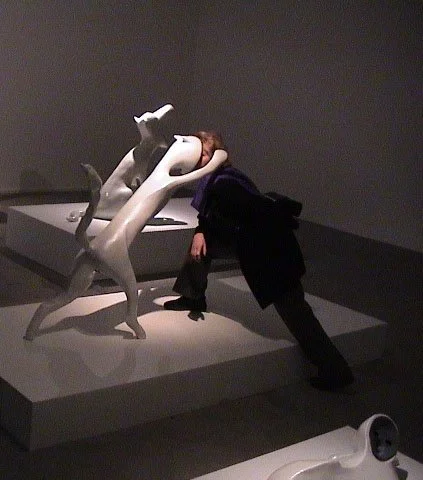
O.K當代藝術中心,奧地利 / O.K Center for Contemporary Art, Upper Austria / 2002
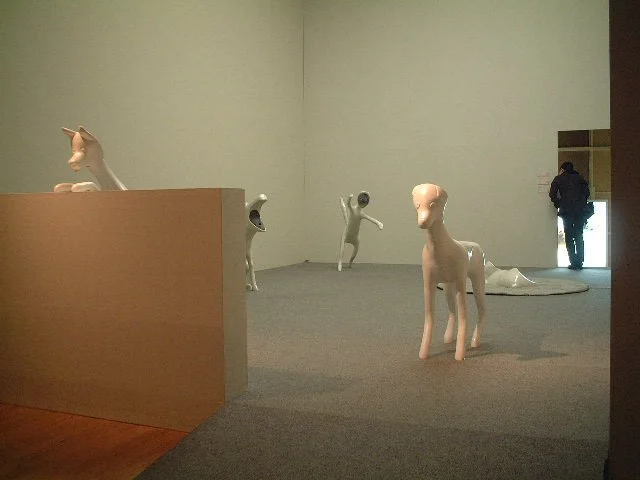
“第二屆福岡三年展”,福岡亞洲美術館,日本/ "The 2nd Fukuoka Triennale", Fukuoka Asian Art Museum, Japan / 2002
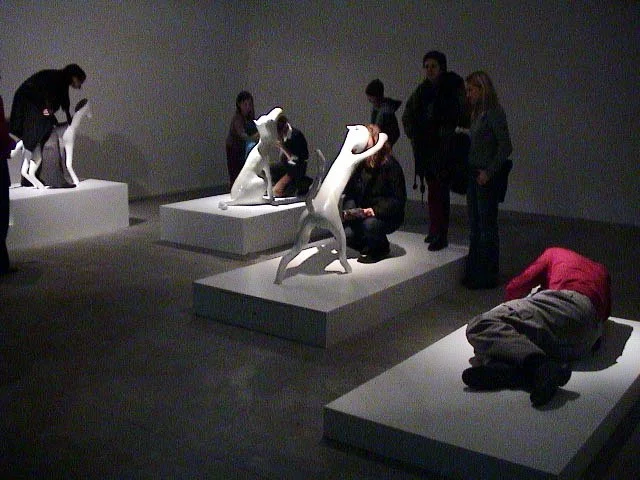
O.K當代藝術中心,奧地利 / O.K Center for Contemporary Art, Upper Austria / 2002
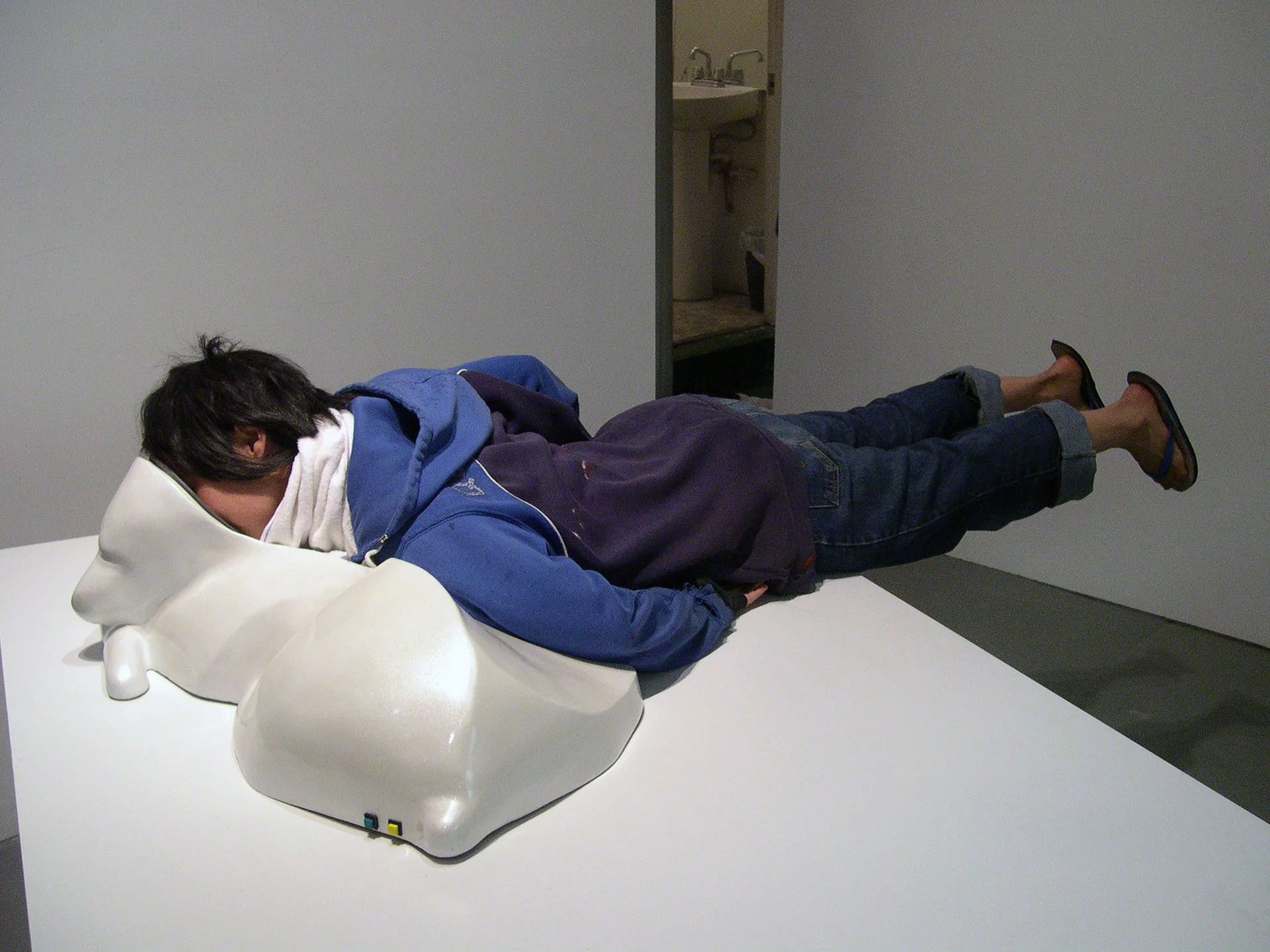
Goliath Visual Space, Brooklyn / 2003
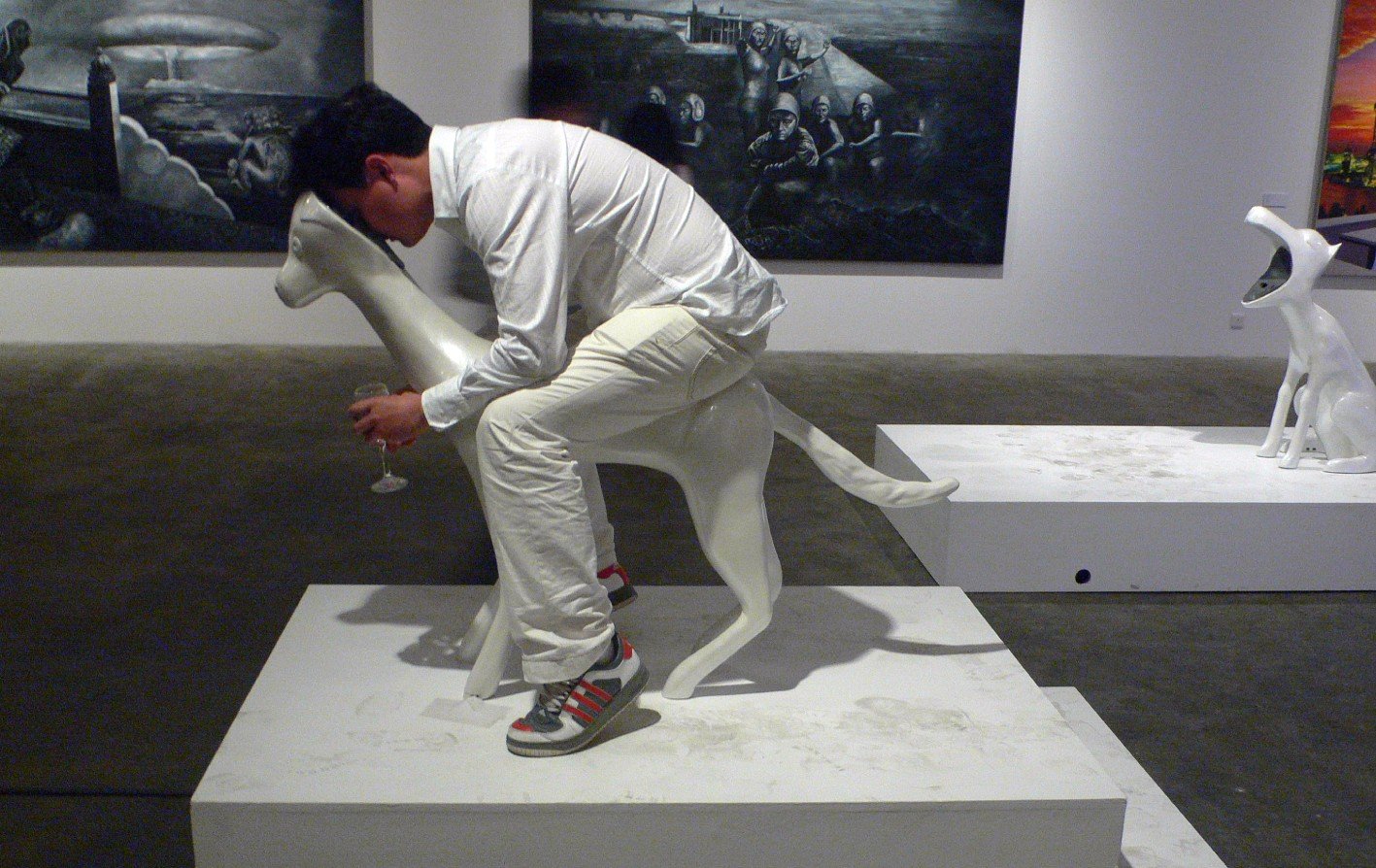
Osage Space-Kwun Tong, Hong Kong / 2006
“面對面” / 玻璃纖維,LCD螢幕, 揚聲器 / 可變尺寸 / 2001
"Face to Face" / fiber glass, LCD monitors, speakers, various size / 2001
面對面(一個觀看雕塑的實驗)
《面對面》由五件不同姿態的狗形雕塑組成:吠叫、站立、凝視、進食與睡眠。每件雕塑的頭部皆設有觀景窗,內部播放藝術家自拍的狗實驗影片。為了觀看影像,觀眾必須改變自己的身體姿勢,配合雕塑的高度與動作,將臉部貼近或伸入觀景窗之中。
在這個過程裡,觀看不再是一種保持距離的視覺行為,而成為身體性的介入。觀眾必須暫時放棄原本主動、直立的觀看位置,去遷就狗的姿態;當人的身體與雕塑結合時,觀眾也成為作品的一部分,使雕塑在觀看的瞬間才真正完成。
作品以人與狗之間相互依存的關係為出發點,透過雕塑、錄像與觀看行為重新安排人與動物的位置。人與狗並未真正變得相同,但在短暫的觀看過程中,原本由人主導的關係被懸置,人必須以順從、配合甚至近乎「投降」的身體姿態進入另一種觀看狀態。
從遠處看,觀眾的身體成為雕塑外部形式的一部分;從參與者自身的角度看,機械與影像則成為通往另一個感知空間的媒介。作品因此不只是關於如何觀看雕塑,也是在追問:當觀看的權力被重新分配時,人與非人之間的關係是否可能暫時被重新想像?
彭弘智
Face to Face (An Experiment in Viewing Sculpture)
Face to Face consists of five dog-shaped sculptures in different postures—barking, standing, looking, eating, and sleeping. Each sculpture contains a viewing window in its head, through which the viewer encounters a short experimental video filmed from the dog’s perspective. To see the image, the viewer must adjust their own body to the posture and height of the sculpture, bringing the face into close physical alignment with the dog.
In this process, viewing ceases to be a detached visual act and becomes a bodily negotiation. The viewer temporarily gives up the conventional upright and controlling position of looking at sculpture and instead accommodates the posture of the animal. Once the human body joins the sculptural form, the viewer becomes part of the work, and the sculpture is completed through the act of viewing.
Taking the interdependent relationship between humans and dogs as its point of departure, the work uses sculpture, moving image, and physical participation to redistribute the positions of human and animal. The two do not become identical, but the usual hierarchy between them is briefly suspended: the viewer must adapt, submit, and even physically “yield” in order to enter the dog’s visual field.
From a distance, the viewer’s body becomes part of the external form of the sculpture; from the participant’s own perspective, the viewing device and moving image open onto another perceptual space. The work therefore asks not only how sculpture is viewed, but also whether the relationship between human and nonhuman can be temporarily reimagined when the power of looking is redistributed.
Hung-Chin Peng
攝影 Photo: Otto Saxinger / 彭弘智 Hung-Chin Peng / 李國民 Kuomin Lee / 徐文瑞 Manray Hsu