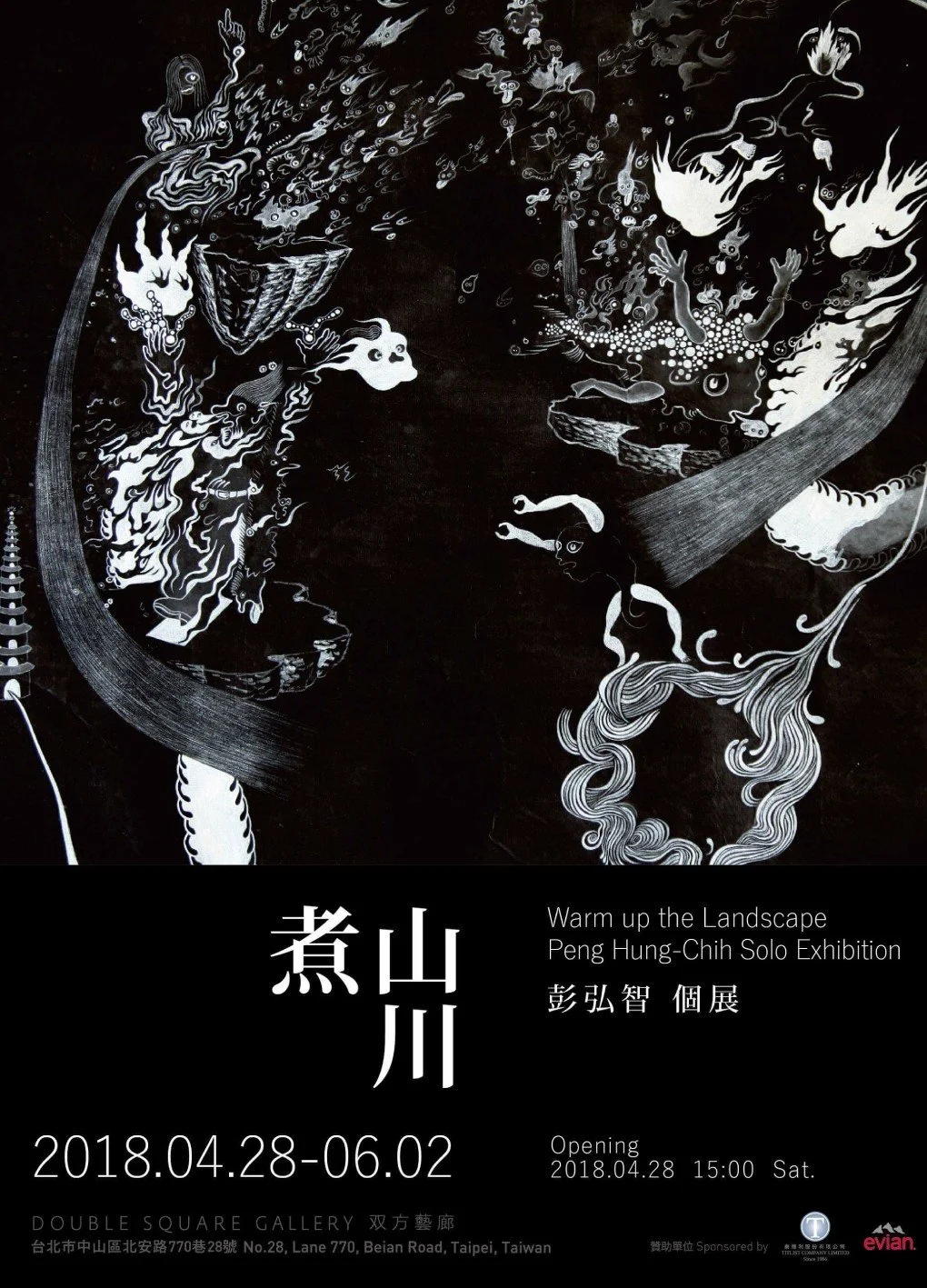
煮山川:彭弘智個展邀請卡 Warm Up the Landscape: Hung-Chih Peng Solo Exhibition Invitation
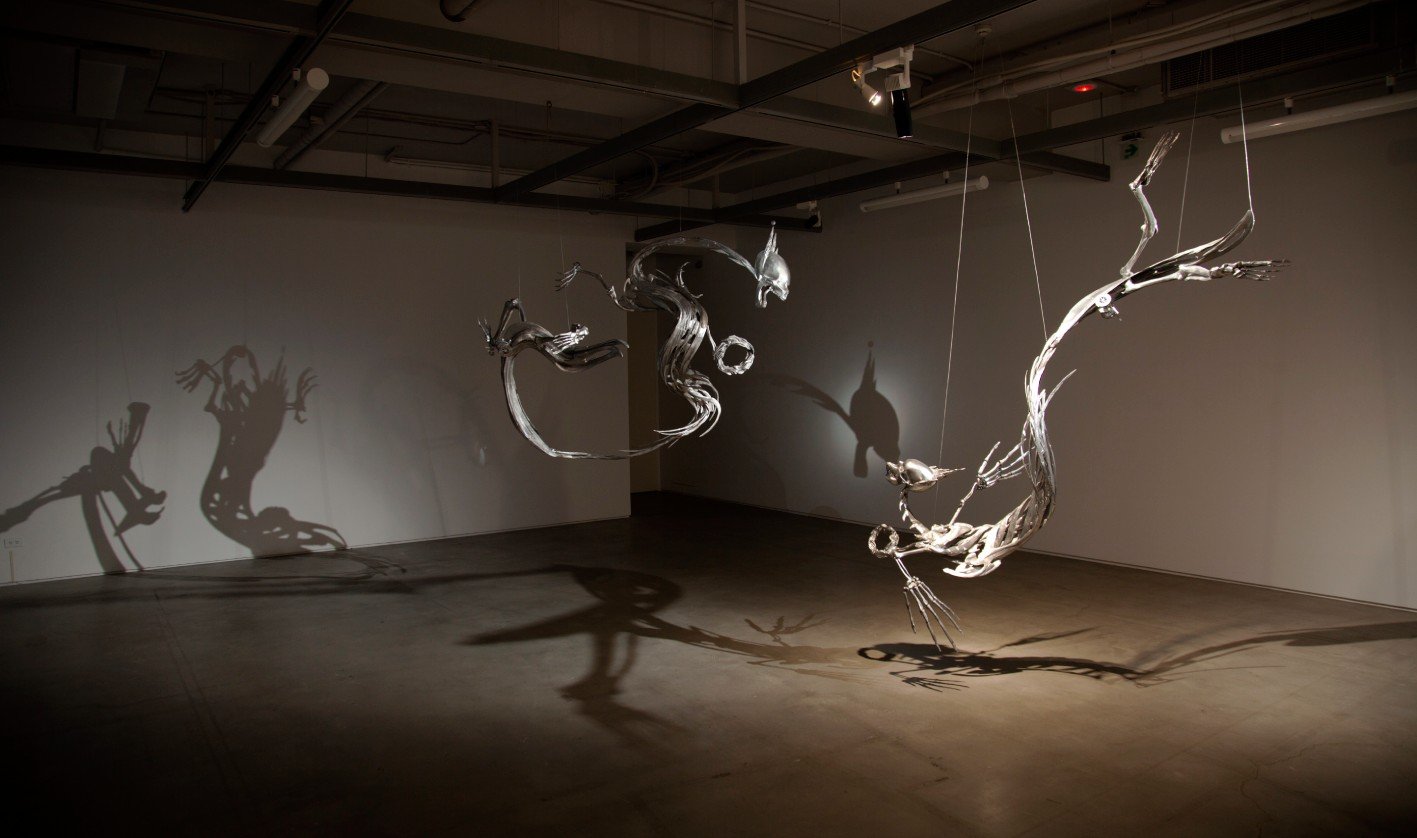
成龍成鳳 Transformation into Dragon and Phoenix / Aluminum / Dragon: 132 x 141 x 160 cm / Pheonix:244 x 143 x 135 cm / 2018
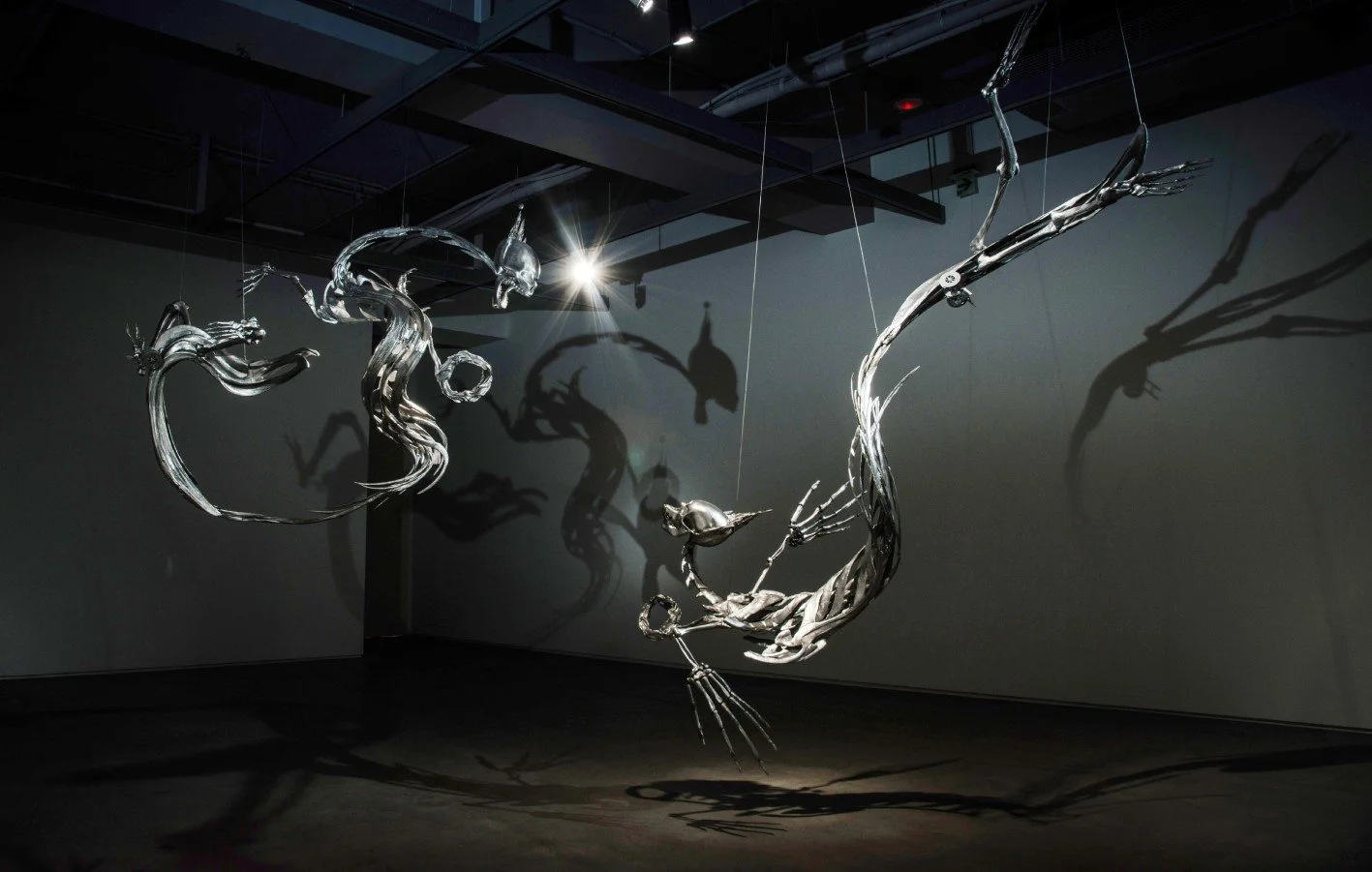
成龍成鳳 Transformation into Dragon and Phoenix / Aluminum / Dragon: 132 x 141 x 160 cm / Pheonix:244 x 143 x 135 cm / 2018
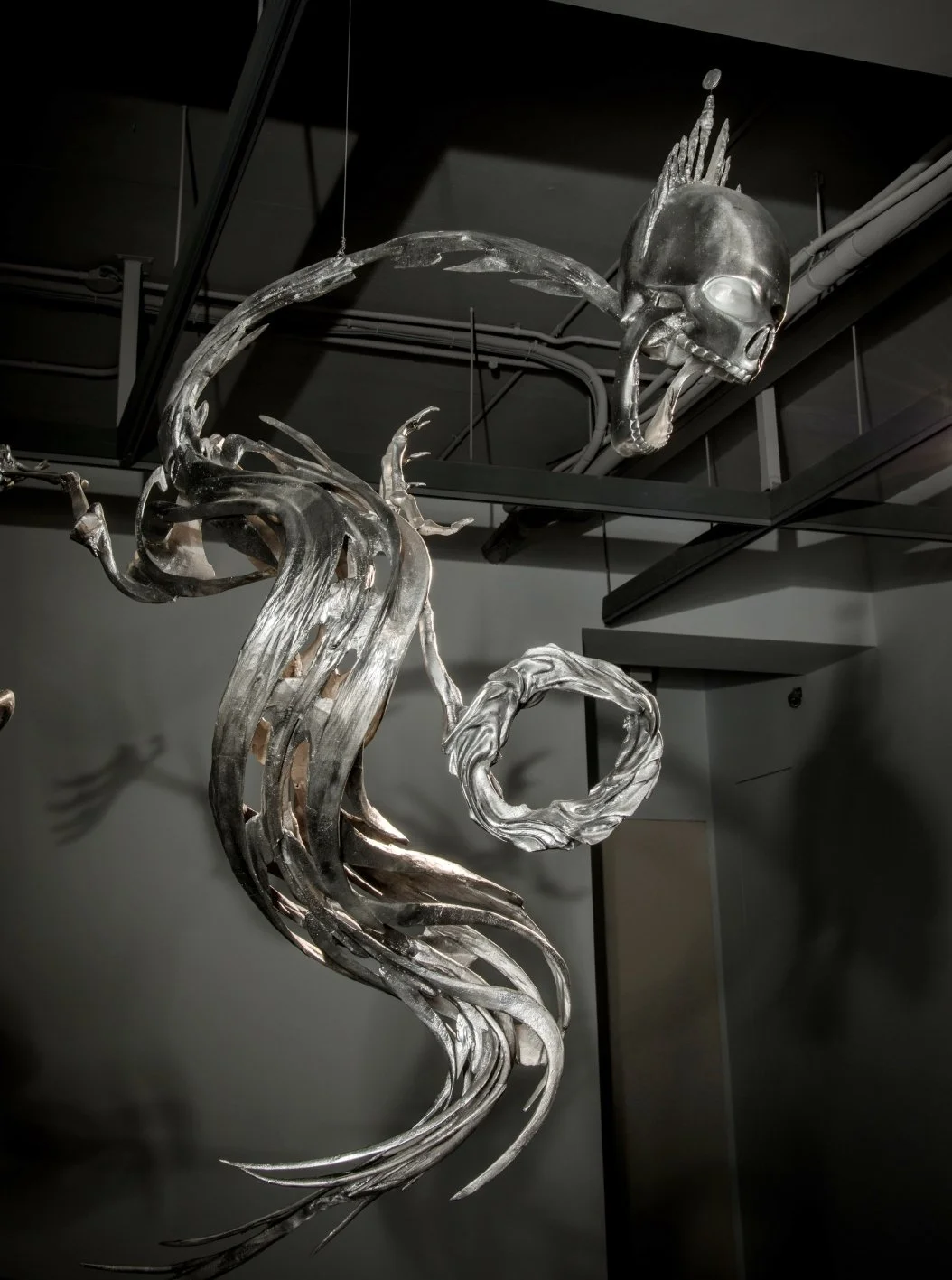
成龍成鳳 Transformation into Dragon and Phoenix / Aluminum / Dragon: 132 x 141 x 160 cm / Pheonix:244 x 143 x 135 cm / 2018
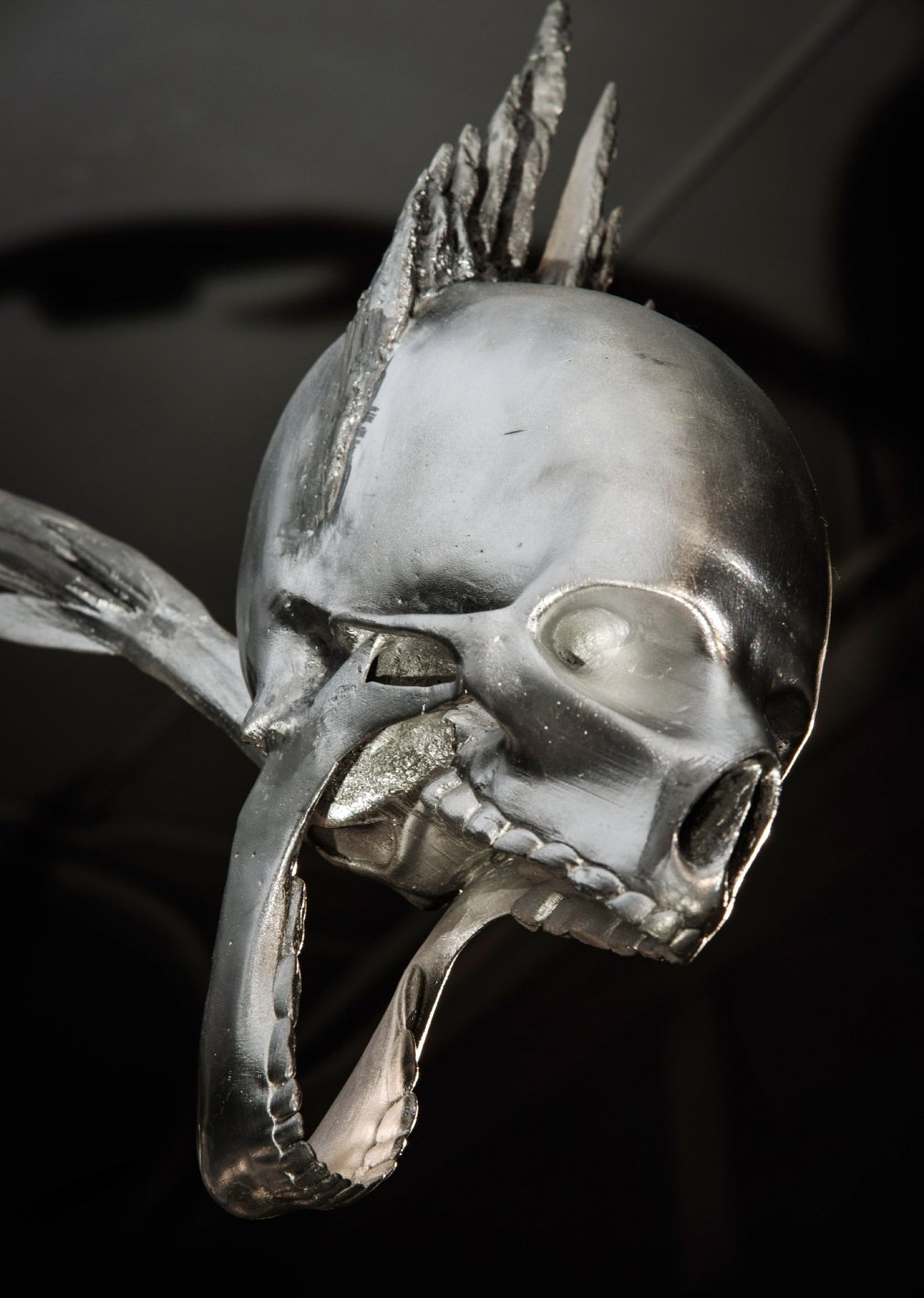
成龍成鳳 Transformation into Dragon and Phoenix / Aluminum / Dragon: 132 x 141 x 160 cm / Pheonix:244 x 143 x 135 cm / 2018
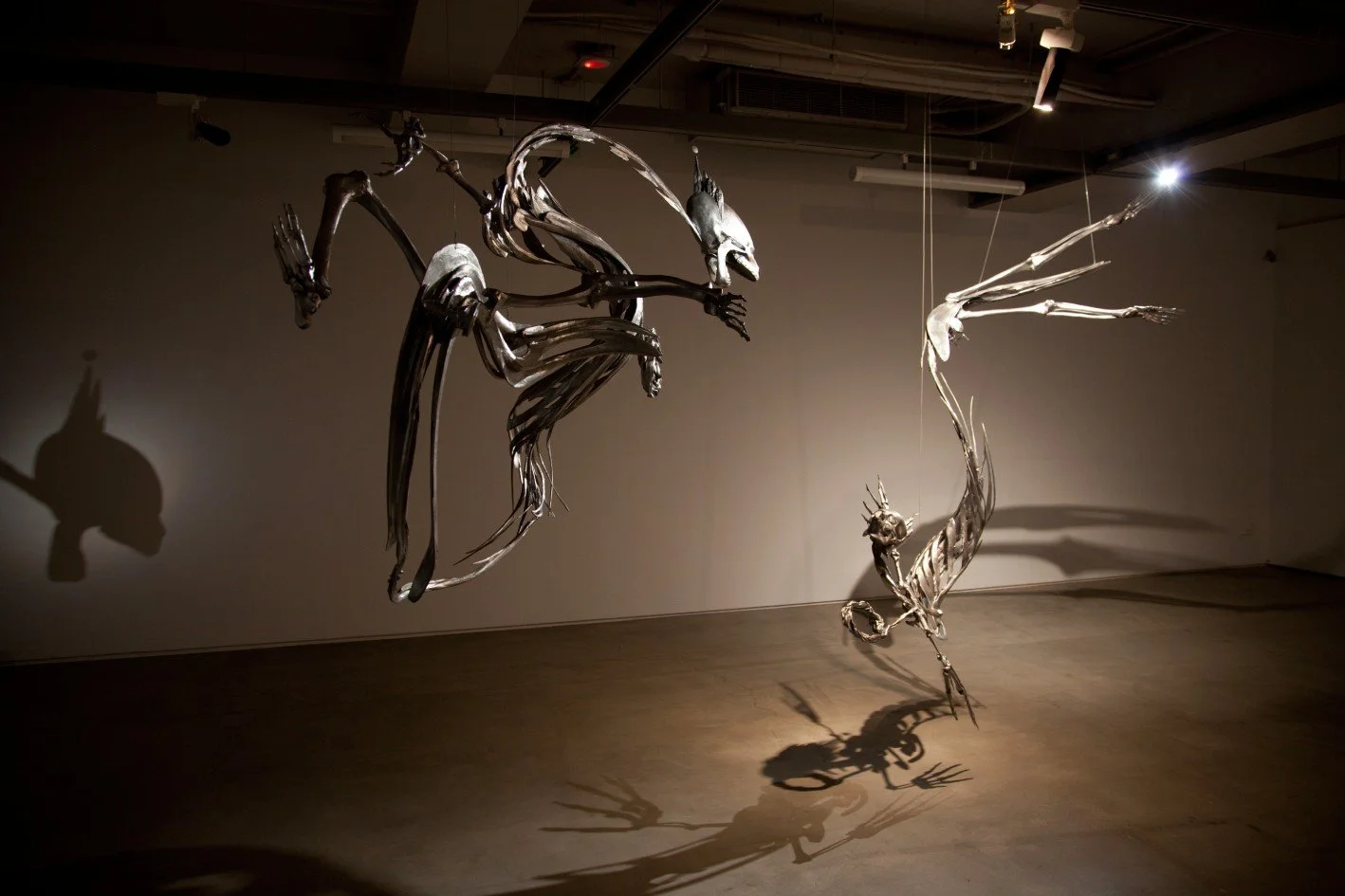
成龍成鳳 Transformation into Dragon and Phoenix / Aluminum / Dragon: 132 x 141 x 160 cm / Pheonix:244 x 143 x 135 cm / 2018
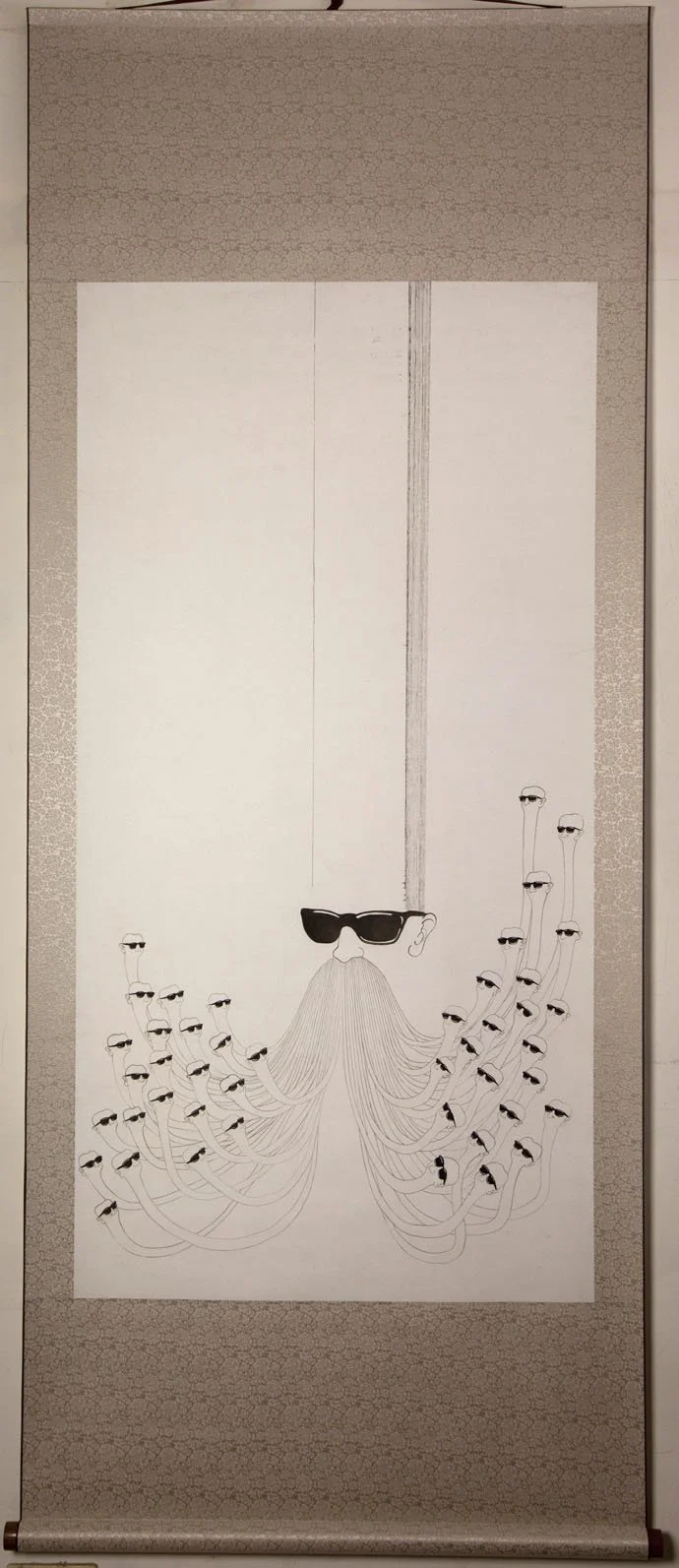
鬍仙 Beard Immortal / Paper, ink, scroll / 135 x 69 cm / 2018
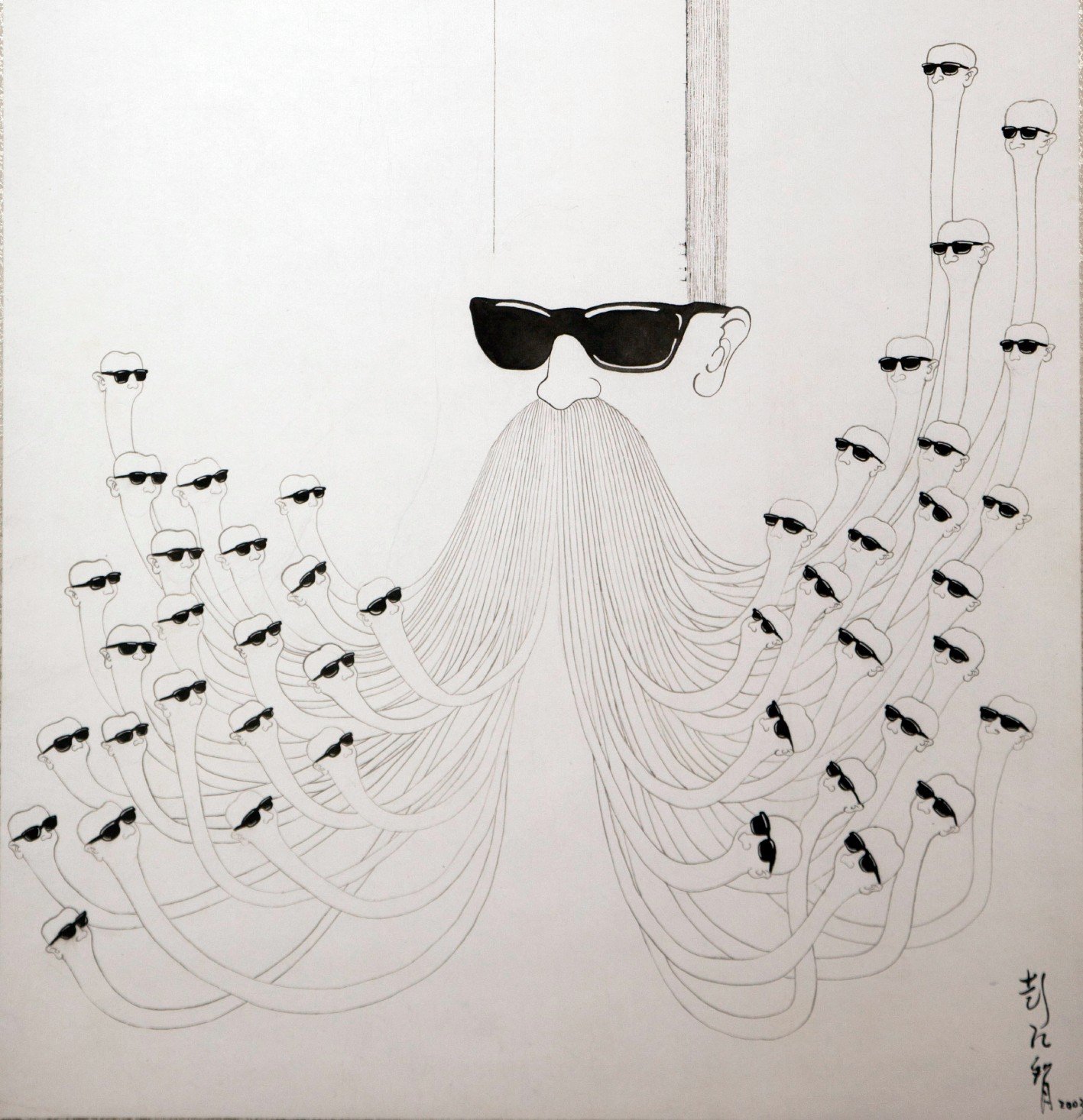
鬍仙 Beard Immortal / Paper, ink, scroll / 135 x 69 cm / 2018
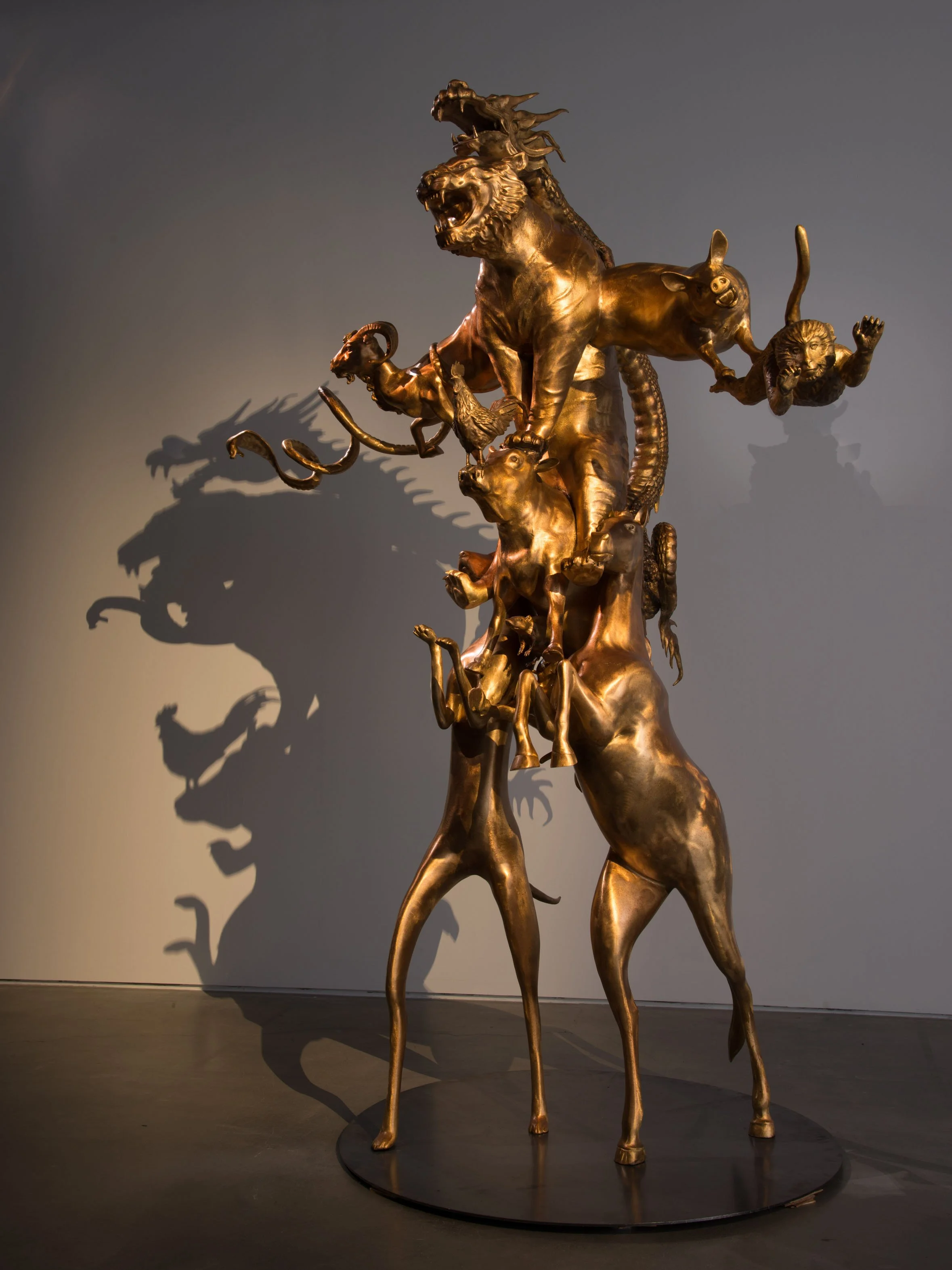
小周天 Microcosmic Orbit / Brass, paint / 250 x 206 x 112 cm / 2018
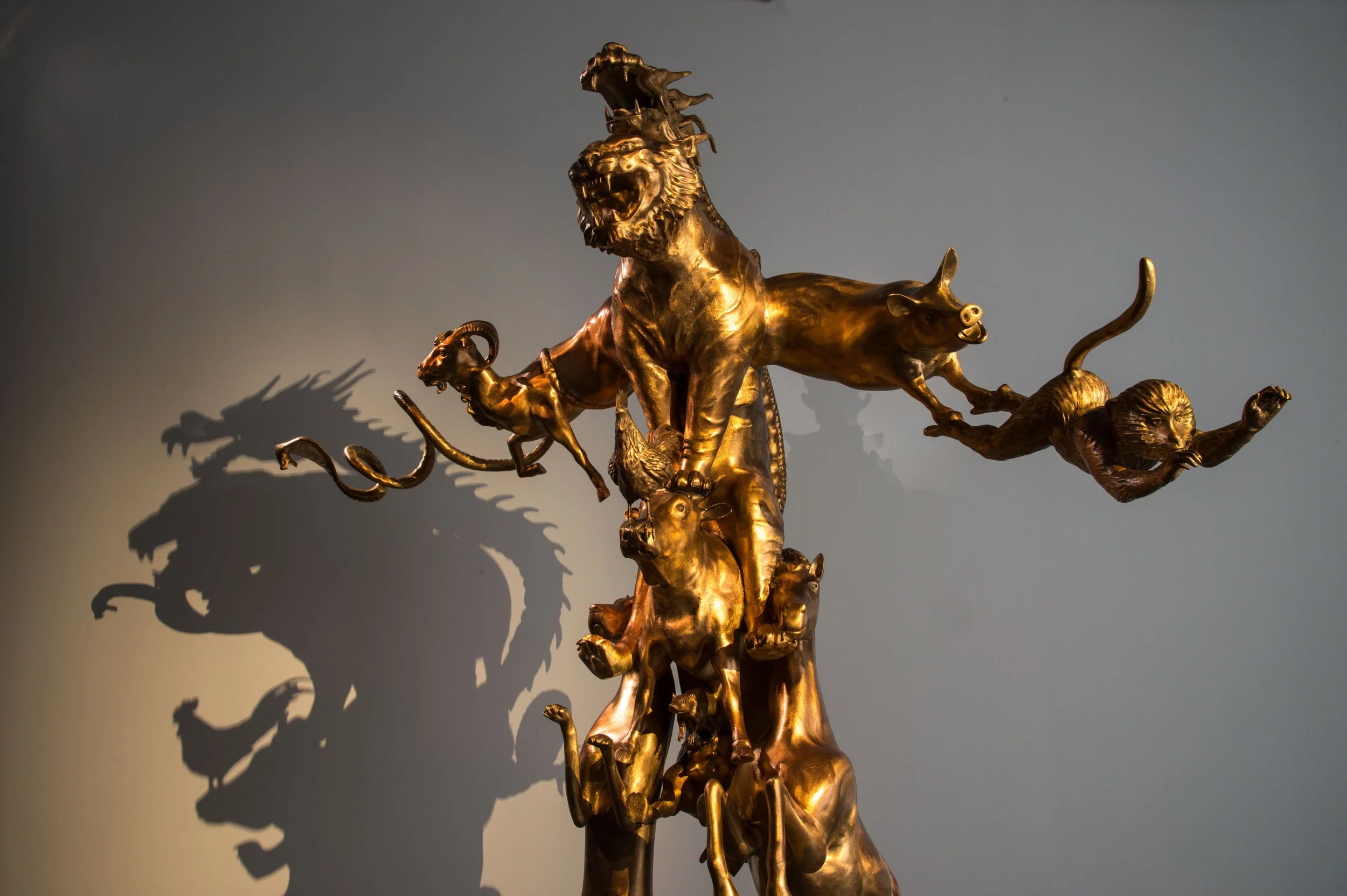
小周天 Microcosmic Orbit / Brass, paint / 250 x 206 x 112 cm / 2018
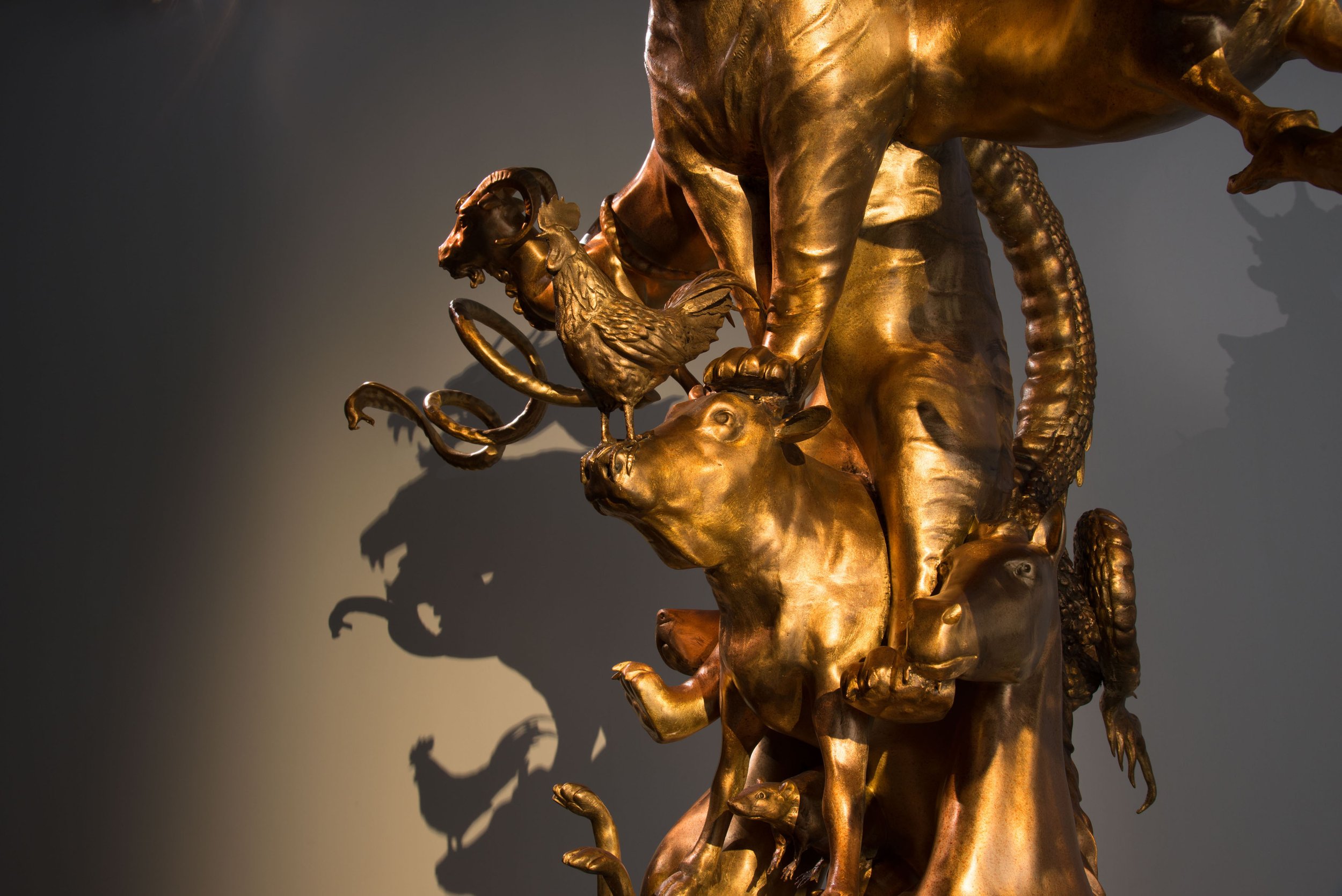
小周天 Microcosmic Orbit / Brass, paint / 250 x 206 x 112 cm / 2018
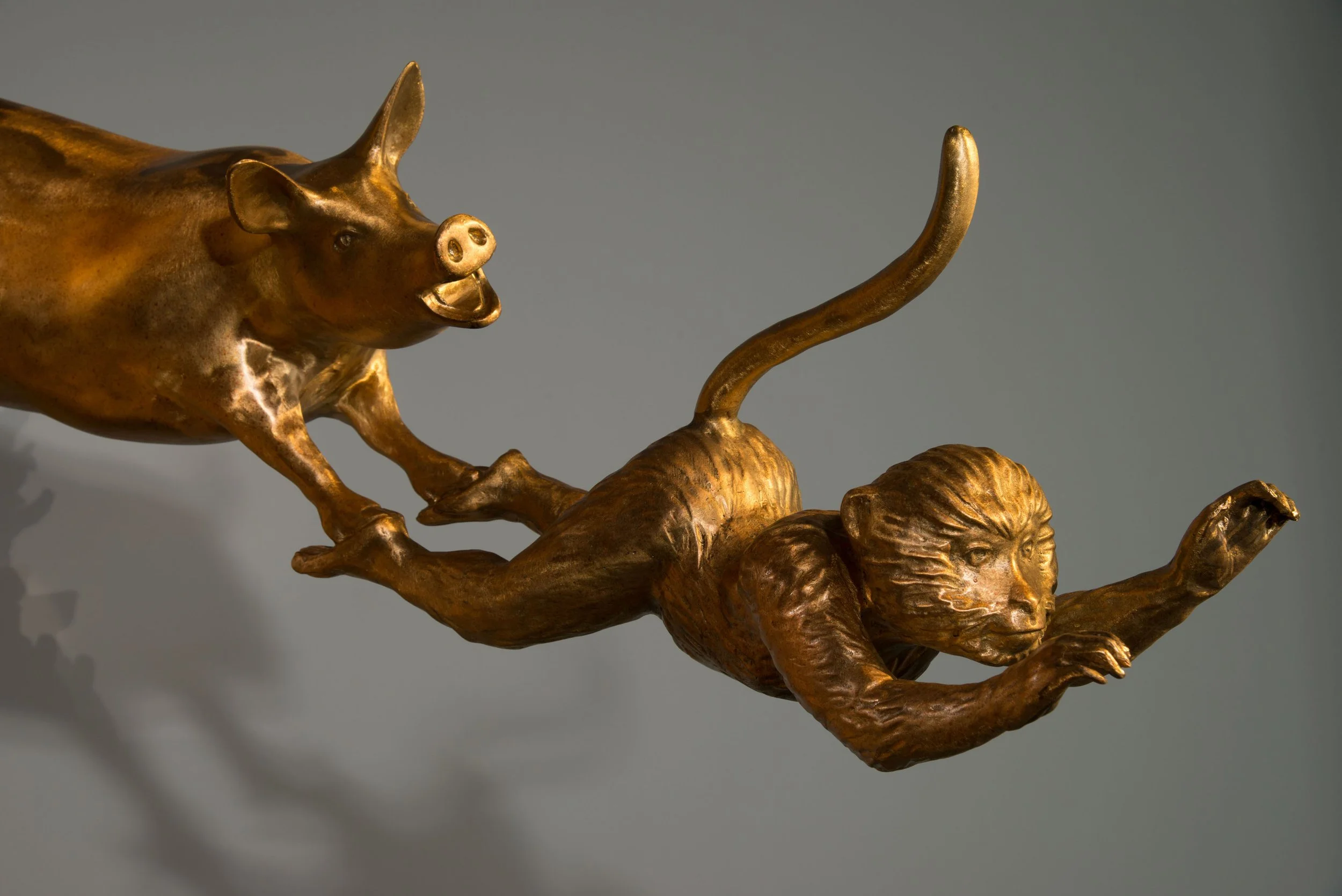
小周天 Microcosmic Orbit / Brass, paint / 250 x 206 x 112 cm / 2018
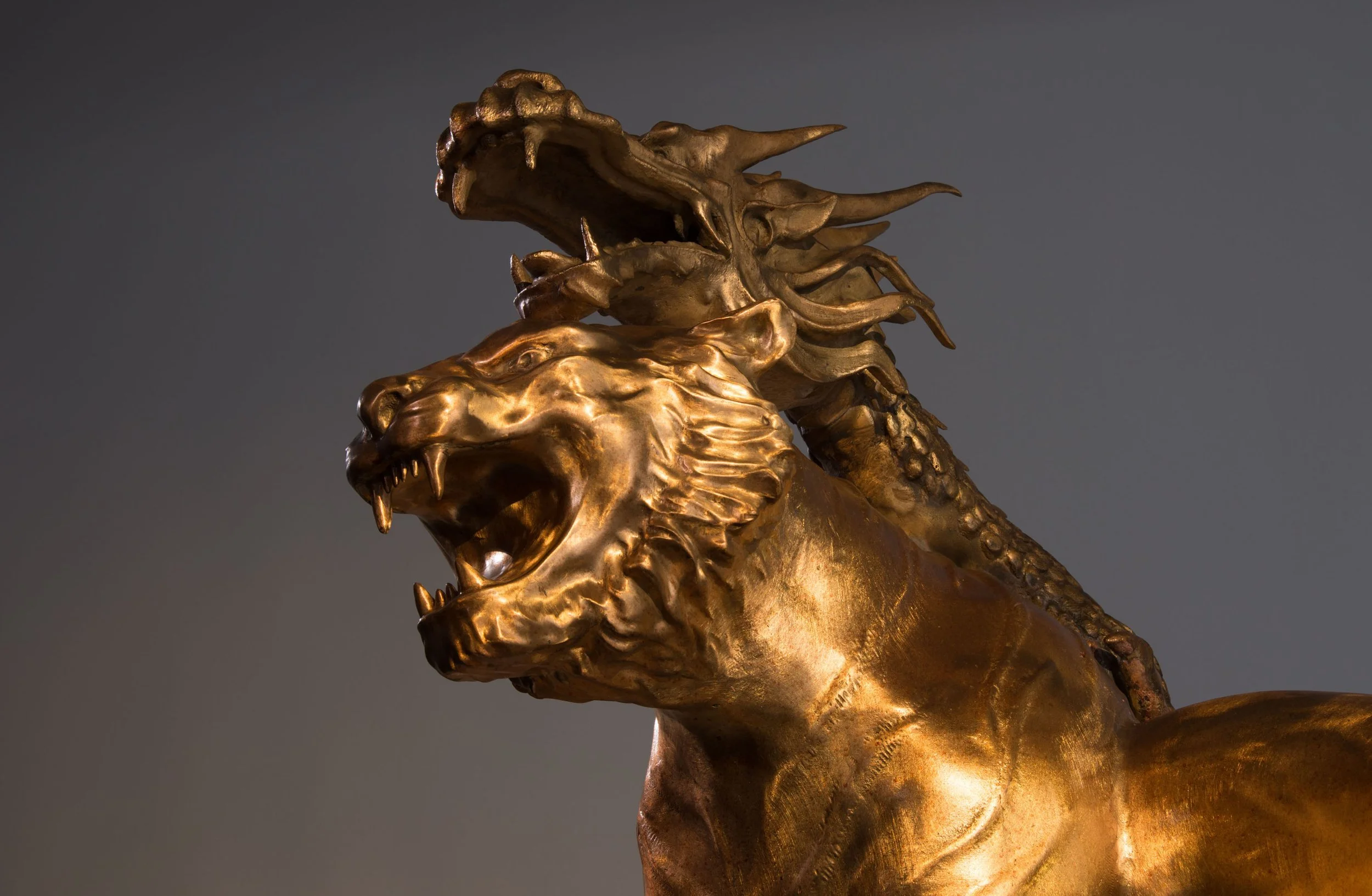
小周天 Microcosmic Orbit / Brass, paint / 250 x 206 x 112 cm / 2018
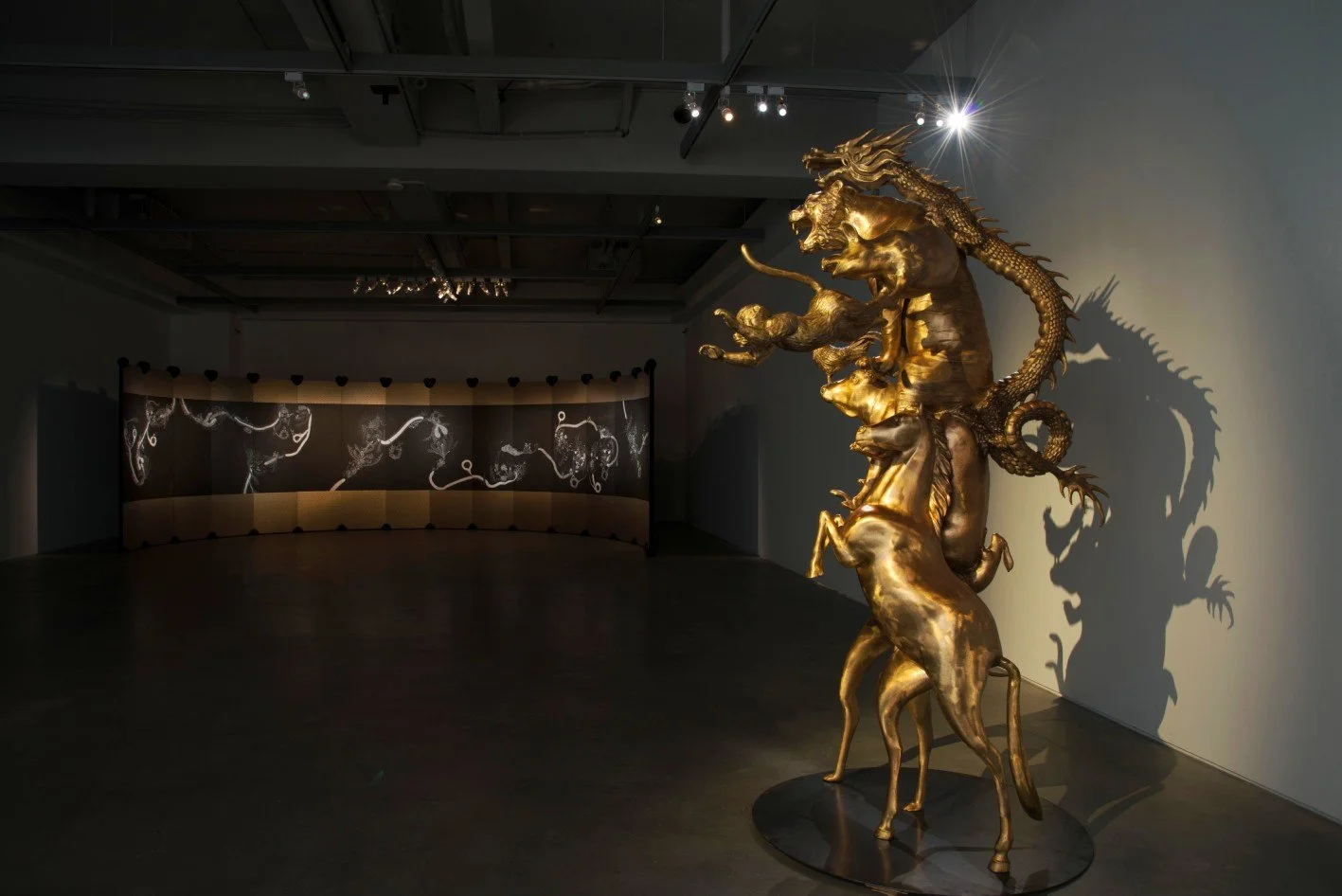
小周天 Microcosmic Orbit / 內經圖變奏曲 The Variation of the Inner-Scripture
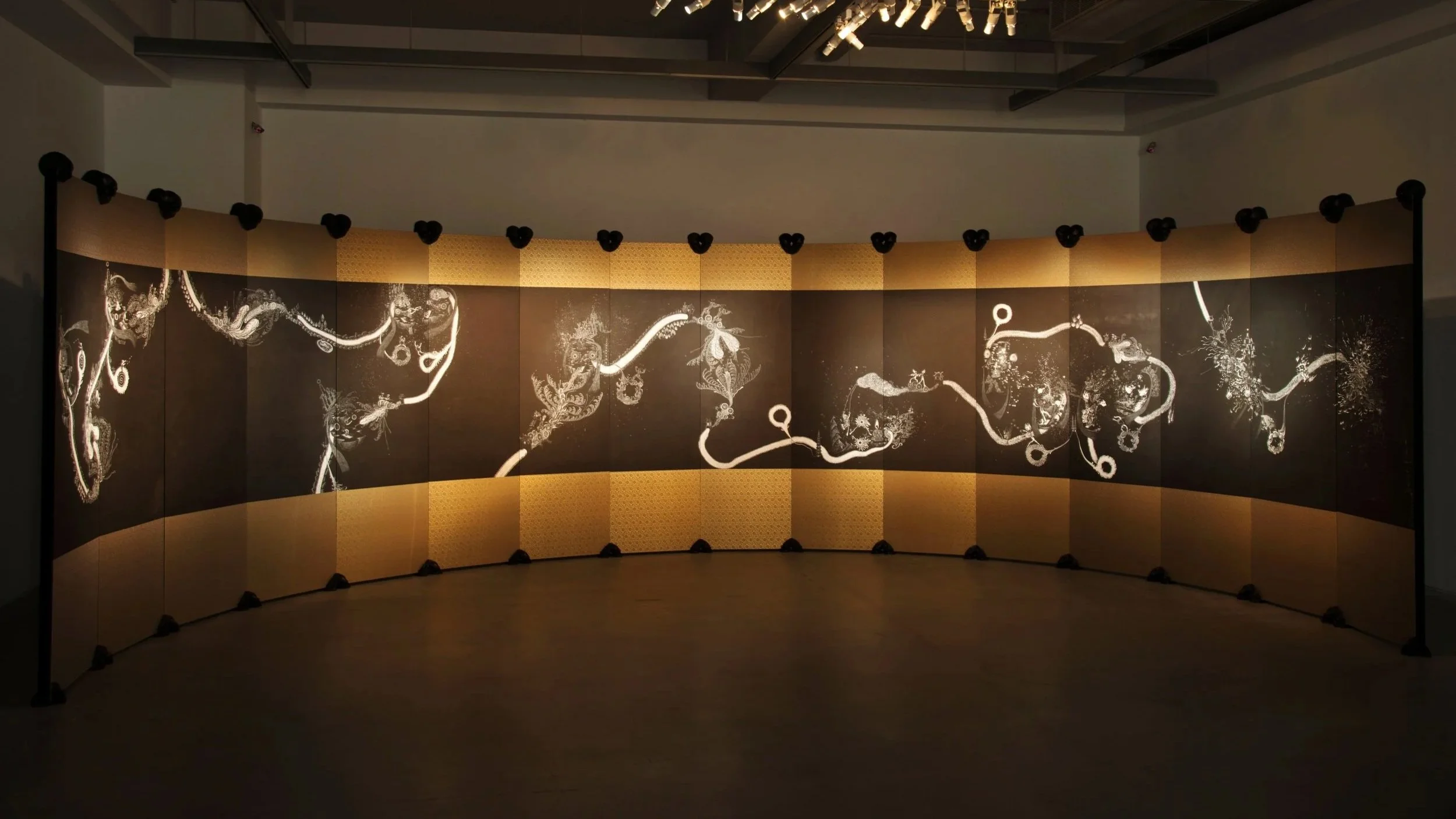
內經圖變奏曲 The Variation of the Inner-Scripture / acrylic on chinese paper mounted on board, 3D printing / 231 x70 x 5cm x 16pc. / 2005-2018
內經圖變奏曲 The Variation of the Inner-Scripture / acrylic on chinese paper mounted on board, 3D printing / 231 x70 x 5cm x 16pc. / 2005-2018
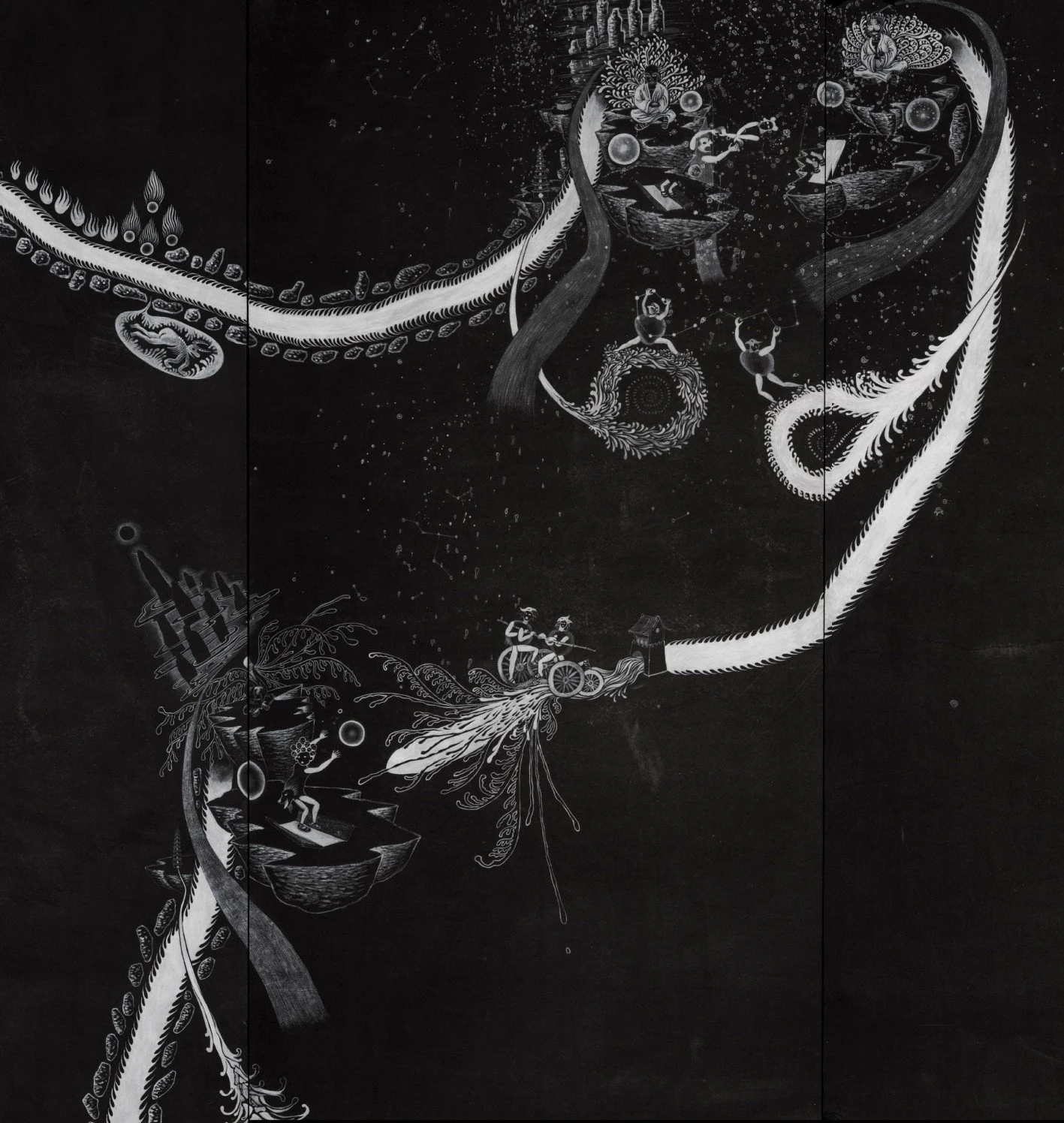
內經圖變奏曲 The Variation of the Inner-Scripture / acrylic on chinese paper mounted on board, 3D printing / 231 x70 x 5cm x 16pc. / 2005-2018
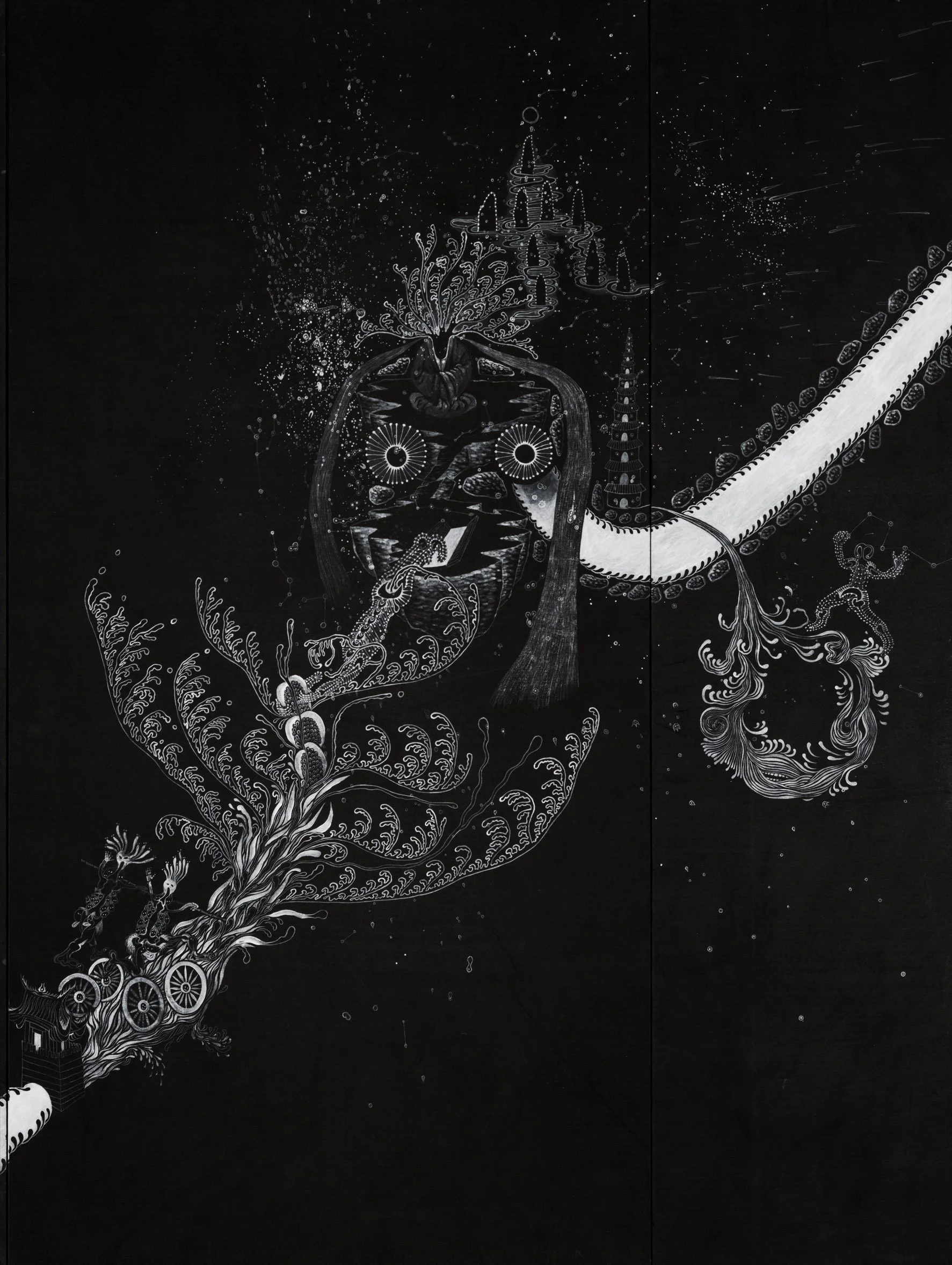
內經圖變奏曲 The Variation of the Inner-Scripture / acrylic on chinese paper mounted on board, 3D printing / 231 x70 x 5cm x 16pc. / 2005-2018
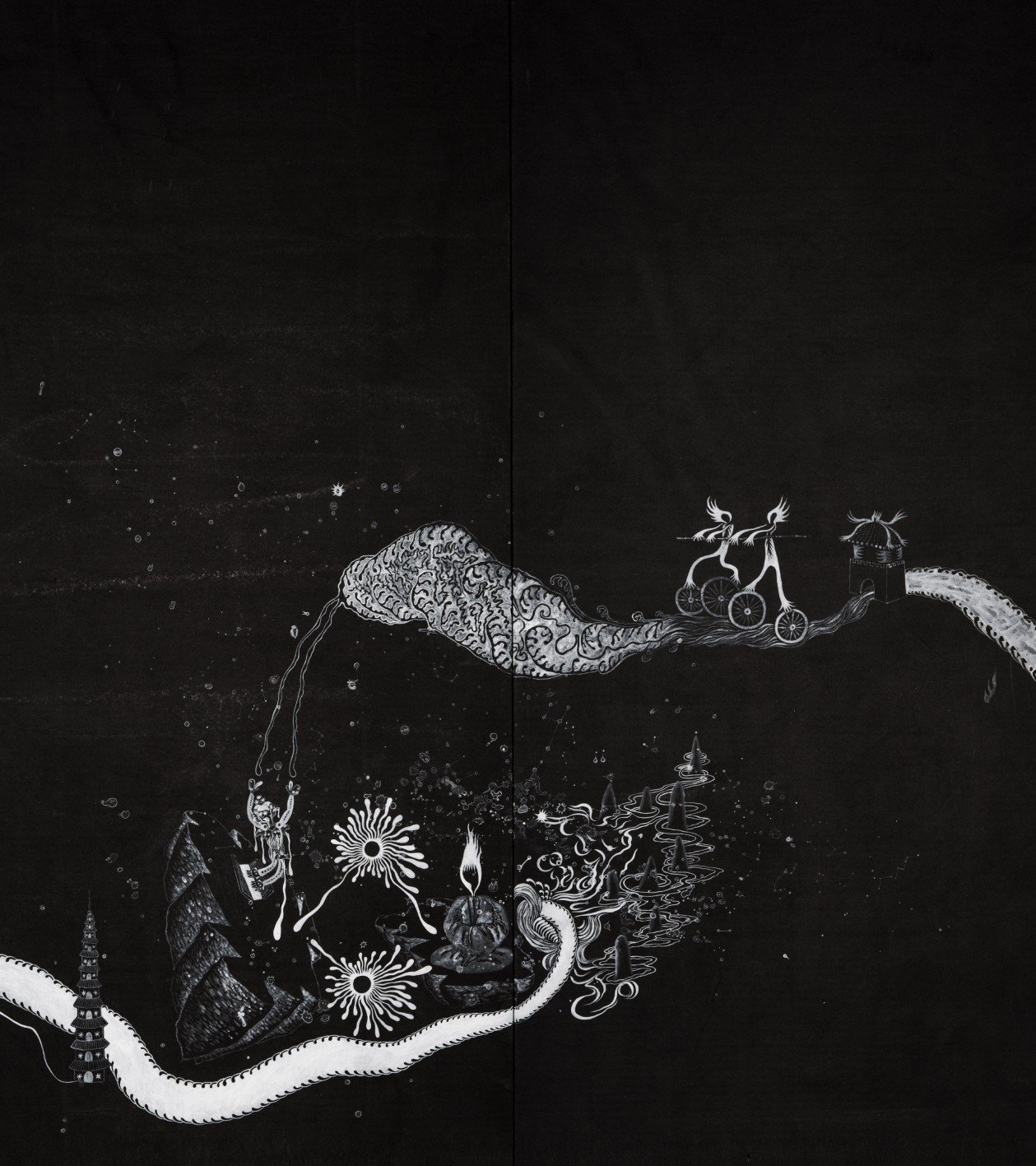
內經圖變奏曲 The Variation of the Inner-Scripture / acrylic on chinese paper mounted on board, 3D printing / 231 x70 x 5cm x 16pc. / 2005-2018
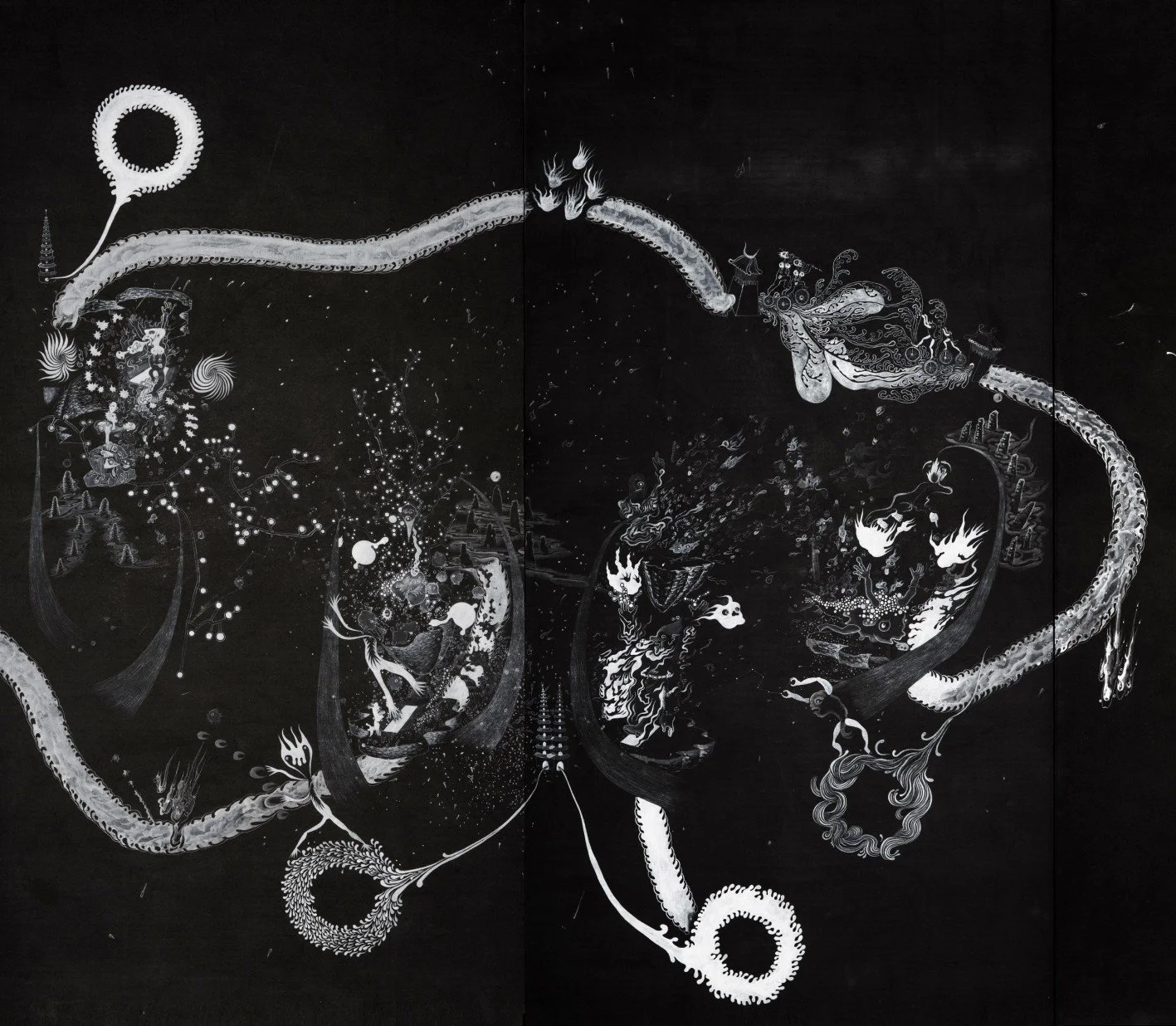
內經圖變奏曲 The Variation of the Inner-Scripture / acrylic on chinese paper mounted on board, 3D printing / 231 x70 x 5cm x 16pc. / 2005-2018
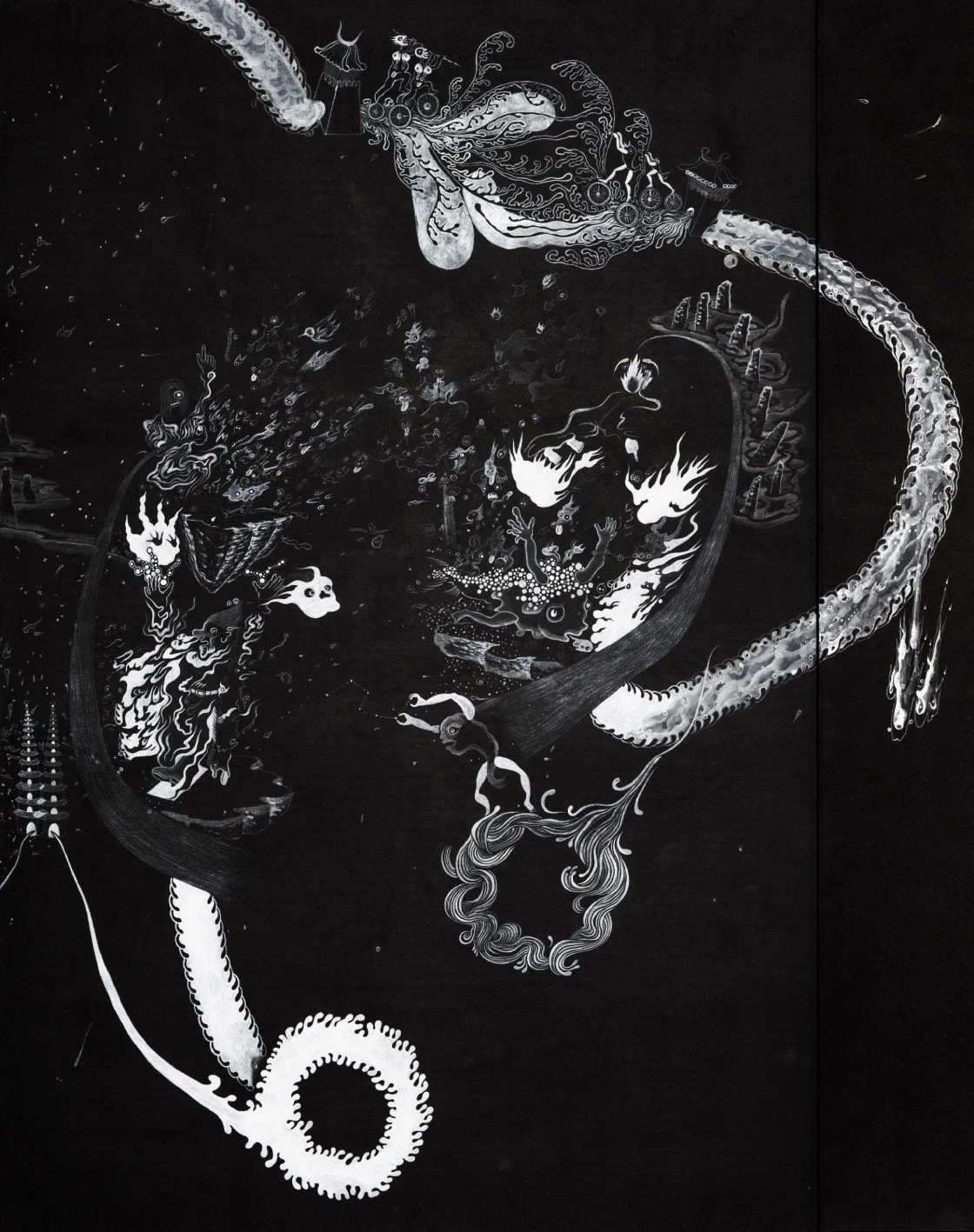
內經圖變奏曲 The Variation of the Inner-Scripture / acrylic on chinese paper mounted on board, 3D printing / 231 x70 x 5cm x 16pc. / 2005-2018
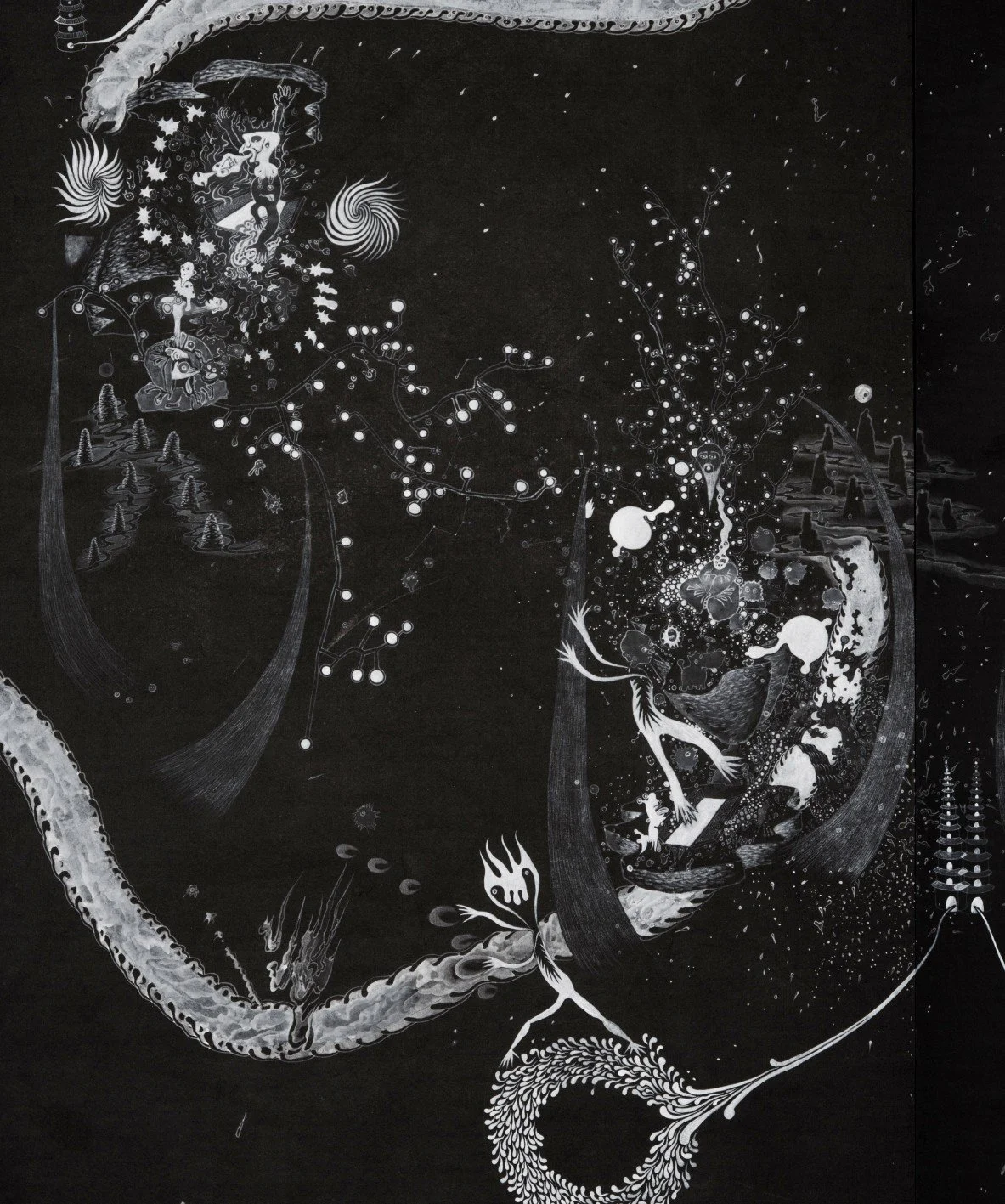
內經圖變奏曲 The Variation of the Inner-Scripture / acrylic on chinese paper mounted on board, 3D printing / 231 x70 x 5cm x 16pc. / 2005-2018
煮山川: 彭弘智個展
Warm Up the Landscape: Hung-Chih Peng Solo Exhibition
2018/04/28 - 2018/06/102
雙方藝廊 Double Square Gallery
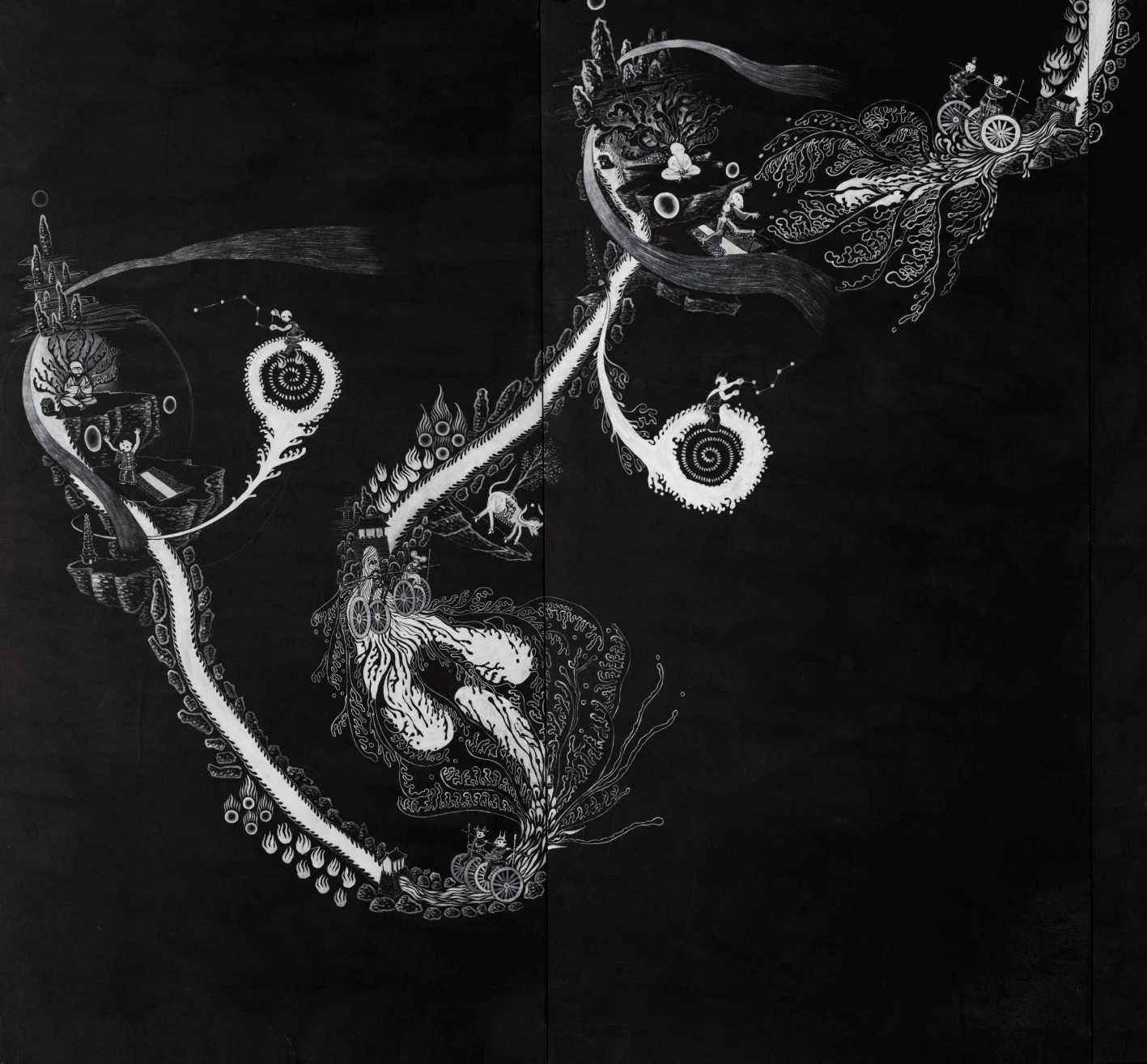
在一次偶然的機會從一本畫冊裡的一張畫,打著斗大的標題“內經圖“,深深地吸引著我,印入了我的腦海,久久無法忘懷。確切來說這是一張版畫,應該是石刻板拓印下來的 。因為是凹版拓本的關係,所以描繪的物體是白色的,背景則是黑茫茫一大片,遠看很像人體上半部的結構的X光片圖,但是拓本年代是清朝,而那個時代並沒有人體X光片做參考呀!也許是因為道家修煉有一種特殊的方法叫做內視法,而這就是內視而來的身體結構嗎?
這些身體結構的象徵符號應該是要告訴學習練氣的人要注意的事項,所以這應該是一張教學圖片。一個道行極深的老道將氣在身體運行的步驟和要領經由內視法將其形象化並繪製成一張圖像,讓後學者在練習呼吸吐納和運氣時再將此圖像投影在自己的身體內。這位老道是誰?留下如此天才之作,我們卻不知其名 。從認識了這幅在畫開始,他就變成了我的老師,因為這副畫是在清朝的某座深山裡發現的,所以我的老師應該是清朝人 。
2005年開始我不斷的臨摹內經圖,直到現在。臨摹了幾年結構都背下來了,心想何不開始照著圖開始自己練氣呢? 圖中下方人體會陰穴的部位,有一男童一女童踩著水車,寫著坎水逆轉,氣是不是該從會陰穴部位縮肛沿著脊椎打上來?然後頂上後腦勺上方的九峰山頂上的月亮呢?
圖中有一段文字“一粒粟中見世界,半升鐺水煮山川”。道家的看法認為在腹部下丹田的部位有一個鼎,而且要把這個鼎點火來慢火練丹,身體內部就是山川組成的,所以叫煮山川,這就是所謂的內丹功。這個展覽,簡單來看就是內經圖的變奏曲。只是更多的變形,幻化成不同的樣貌,是我嘗試一反以往從社會外部下手,而往體內,心內做深層的探索,是自我修煉的過程,而這過程我希望把我的創作帶進來,而藝術的過程不也正是一種煉丹術嗎?
I first encountered the Inner Scripture (Neijing Tu -“Chart of Inner Pathways”) by chance in an illustrated album. The image left a lasting imprint on me. Strictly speaking, it was not a painting but a rubbing taken from a carved stone plate. As an intaglio impression, its forms appear in white against a dense black ground. From a distance, it resembles an X-ray of the upper human body—yet it dates to the Qing dynasty, long before such imaging existed. This led me to consider whether the image might originate from the Daoist practice of “inner observation” (neiguan), a way of perceiving the body from within.
The diagram appears to function as a pedagogical image, using symbolic bodily structures to guide the cultivation and circulation of qi. One might imagine an accomplished Daoist adept who, through inner vision, translated the movement of qi into a visual schema, allowing later practitioners to internalize and project it back into their own bodies during breathing and meditative practice. The author of this image remains unknown. Yet from the moment I encountered it, he became my teacher—an anonymous figure from the Qing dynasty, encountered through the image itself.
Since 2005, I have continuously copied the Inner Scripture Over time, its structure became internalized, memorized through repetition. This process gradually shifted from visual transcription to embodied inquiry: I began to ask whether the diagram could be practiced. In the lower section of the image, at the perineum (huiyin), a boy and a girl are depicted operating a waterwheel, accompanied by the phrase “Kan water reverses its flow.” I came to read this as an instruction—suggesting that qi might be drawn upward from the base of the body, along the spine. At the top of the image, above the back of the head, the moon rests upon the “Nine Peaks,” implying a culmination of this upward movement.
Through this ongoing engagement, the image no longer remains purely symbolic, but begins to function as a speculative guide for bodily practice. My attempts to follow its logic are neither doctrinal nor orthodox, but experiential—an effort to translate image into sensation, and representation into process.
An inscription within the diagram reads: “Within a grain, a world; within half a pot, mountains and rivers are cooked.” In Daoist internal alchemy, the lower abdomen (dantian) is conceived as a cauldron in which transformation takes place through sustained heat. The body itself becomes a landscape—an assemblage of mountains and rivers—subject to processes of refinement. This is the practice of neidan, or internal alchemy..
The works emerge from a process of self-cultivation in which artistic practice and embodied experience intersect. In this sense, image-making is not merely representational, but operative—it functions as a method of transformation. If internal alchemy seeks to refine the body, then artistic practice, too, may be understood as a form of alchemy enacted through perception, material, and time.